What Is KYT and How Does It Differ from KYC
KYT (Know Your Transaction) and KYC (Know Your Customer) are complementary but distinct compliance tools. KYC verifies the identity of a person opening an exchange account—name, address, government ID—and happens once at onboarding. KYT, by contrast, screens every transaction and wallet address for risk signals in real time, examining the blockchain history to detect if coins come from mixers, darknet markets, scams, stolen funds, or sanctioned entities. A user can pass KYC but still receive flagged coins through KYT screening. Exchanges and custodians use both: KYC to know who the customer is, and KYT to know what the transaction is. For crypto compliance meaning in practice, KYT is the ongoing transaction monitor; KYC is the initial identity gate.
How KYT Blockchain Screening Works
KYT screening operates by analyzing the blockchain ledger to trace coin provenance and flag high-risk patterns. When you deposit USDT or TRX to an exchange, the service checks the wallet address against known risk categories: mixers (services that obscure transaction trails), darknet marketplace addresses, stolen fund wallets, sanctioned entity lists (OFAC), gambling platforms, and scam-associated addresses. The system assigns a risk score based on the transaction history—how many hops from a risky source, transaction volume, timing, and behavioral anomalies. If your address or incoming transaction matches a risk profile, the exchange may freeze the deposit, require additional documentation, or reject it outright. This process happens within seconds to minutes, before the funds settle in your account.
What Are KYT Risk Score Levels and What Do They Mean
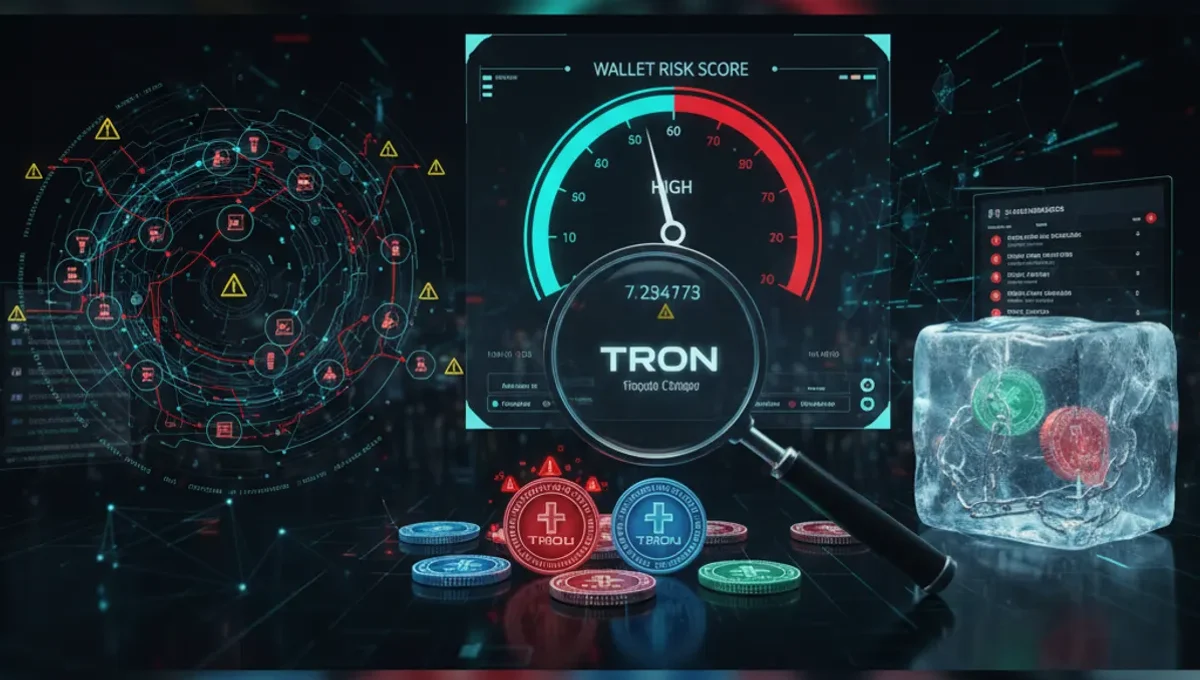
KYT risk scores typically range from 0 to 100, with thresholds varying by exchange and regulator. A score of 0–20 is generally considered low risk and passes screening without friction. Scores of 21–50 are medium risk and may trigger additional review or hold periods. Scores above 50 are high risk and often result in transaction rejection or account freeze. Some exchanges set stricter thresholds; a score above 30 might block a deposit. The risk score reflects the likelihood that coins are tainted, stolen, or linked to illicit activity. A single transaction from a mixer or darknet address can elevate the score significantly. Understanding your wallet's risk profile before sending funds to an exchange prevents costly delays and account locks. You can check a TRX, USDT, or BTC address risk score through blockchain analytics services before moving funds.
Common KYT Risk Flags: Mixers, Darknet, Stolen Funds, and Sanctions
KYT systems flag several high-risk categories. Mixers are services designed to obscure transaction trails by combining and shuffling coins; any deposit from a mixer address raises immediate red flags. Darknet marketplace addresses—linked to illegal goods or services—are blacklisted and trigger automatic rejection. Stolen funds traced to hacks or theft are flagged because the original owner may reclaim them, leaving you with a worthless coin. Sanctioned entities, identified by OFAC (Office of Foreign Assets Control) or equivalent bodies, are blocked by law; receiving coins from a sanctioned address can result in criminal liability. Gambling platforms are increasingly monitored for AML compliance. Scam-associated wallets—addresses tied to Ponzi schemes, rug pulls, or fraud—are also high-risk. A single transaction touching any of these categories can taint your entire deposit.
How to Check a Wallet Address Before Receiving Crypto
Before accepting USDT, TRX, BTC, or ETH from an external wallet, verify the source address using a blockchain analytics service. Request the sender's wallet address and run an AML check through a trusted service—many offer free basic screening. Enter the address, review the risk score, and examine the transaction history summary. Look for any flags: mixer involvement, darknet links, or recent large transfers from unknown sources. If the score is below your exchange's threshold (typically 20–30), the transfer is likely safe. If the score is elevated or flagged, ask the sender for clarification or decline the transaction. This step takes minutes and prevents receiving frozen or rejected coins. For TRX addresses specifically, check the TRC20 token history, as USDT on Tron is a TRC20 token and subject to the same screening rules as the native TRX address.
What Happens If Your Coins Are Flagged as Tainted or High-Risk
If your deposit is flagged during KYT screening, the exchange will typically freeze the funds pending review. You may receive a notification asking for proof of source—receipts, invoices, or transaction records explaining where the coins came from. If you can demonstrate legitimate origin (e.g., a paycheck converted to crypto, a personal transfer from a known contact), the freeze may be lifted. If the coins are confirmed stolen or linked to sanctions, the exchange will reject the deposit and may close your account. In some cases, law enforcement may seize the funds. If your own wallet address is flagged as high-risk due to past transactions, you may need to move coins through a new address or provide documentation to exchanges before deposits are accepted. Prevention is simpler than remediation: verify addresses before receiving funds and avoid wallets with known risk exposure.
Why KYT Matters for Crypto Compliance and Risk Management
KYT is not optional for regulated exchanges and custodians; it is a legal requirement under AML and sanctions compliance frameworks. Exchanges that fail to implement KYT face fines, license revocation, and criminal charges. For individual users, KYT protects you from unknowingly receiving stolen or sanctioned crypto, which can result in frozen accounts, asset seizure, and legal complications. Understanding KYT meaning and checking your wallet's risk profile before moving funds reduces the chance of deposit rejection and account locks. For businesses and traders handling large volumes of USDT or TRX, regular wallet screening is essential to maintain exchange access and avoid regulatory scrutiny. Start with a free AML check through one of the verified services listed on our AML Services page to understand your wallet's risk standing and ensure smooth, compliant transactions.
Frequently asked questions
What does KYT stand for in crypto
KYT stands for Know Your Transaction. It is a blockchain compliance process that screens cryptocurrency transactions and wallet addresses for AML risk, tainted coins, darknet exposure, and sanctions violations. KYT analyzes transaction history on-chain to flag high-risk activity before funds settle in your account.
Is KYT the same as KYC
No. KYC (Know Your Customer) verifies user identity at exchanges during account signup. KYT (Know Your Transaction) screens the source and history of each transaction on-chain. KYC happens once; KYT happens continuously. Both are required for regulatory compliance.
What risk score should I accept for receiving crypto
Most exchanges accept risk scores of 0–20 without friction. Scores of 21–50 may trigger review or holds. Scores above 50 often result in rejection or account freeze. Check your exchange's specific threshold before receiving funds. A free AML check can reveal your wallet's risk score before deposit.
Can I receive crypto from a mixer address
Receiving crypto from a mixer address is high-risk. Mixers are flagged by KYT systems as they obscure transaction trails. Deposits from mixer addresses are often rejected or frozen by exchanges. Avoid accepting coins from addresses linked to mixers, darknet markets, or theft.
How do I check if a wallet address is safe before receiving USDT or TRX
Request the sender's wallet address and run a free AML check through a trusted blockchain analytics service. Review the risk score and transaction history. If the score is below your exchange's threshold (typically 20–30) and no red flags appear, the address is likely safe. Check verified AML services on our AML Services page for reliable screening.