What Is Crypto KYC and How Does It Differ from KYT?
KYC (Know Your Customer) focuses on verifying who you are before you trade or withdraw. Exchanges collect your name, address, government ID, and sometimes proof of funds source. KYT (Know Your Transaction) is the ongoing monitoring of what you do—tracking whether your wallet receives coins from mixers, darknet markets, or sanctioned entities. KYT crypto meaning extends beyond identity: it's real-time risk assessment of every transaction. Together, KYC and KYT form the backbone of AML (Anti-Money Laundering) compliance. When you deposit USDT or BTC to an exchange, the platform runs both checks: first, they verify you are who you claim; second, they scan your wallet's transaction history for red flags. If your coins are flagged as tainted or linked to high-risk sources, your account may be frozen or your withdrawal rejected, even if you personally did nothing wrong.
How AML Scoring and Risk Assessment Work in Crypto
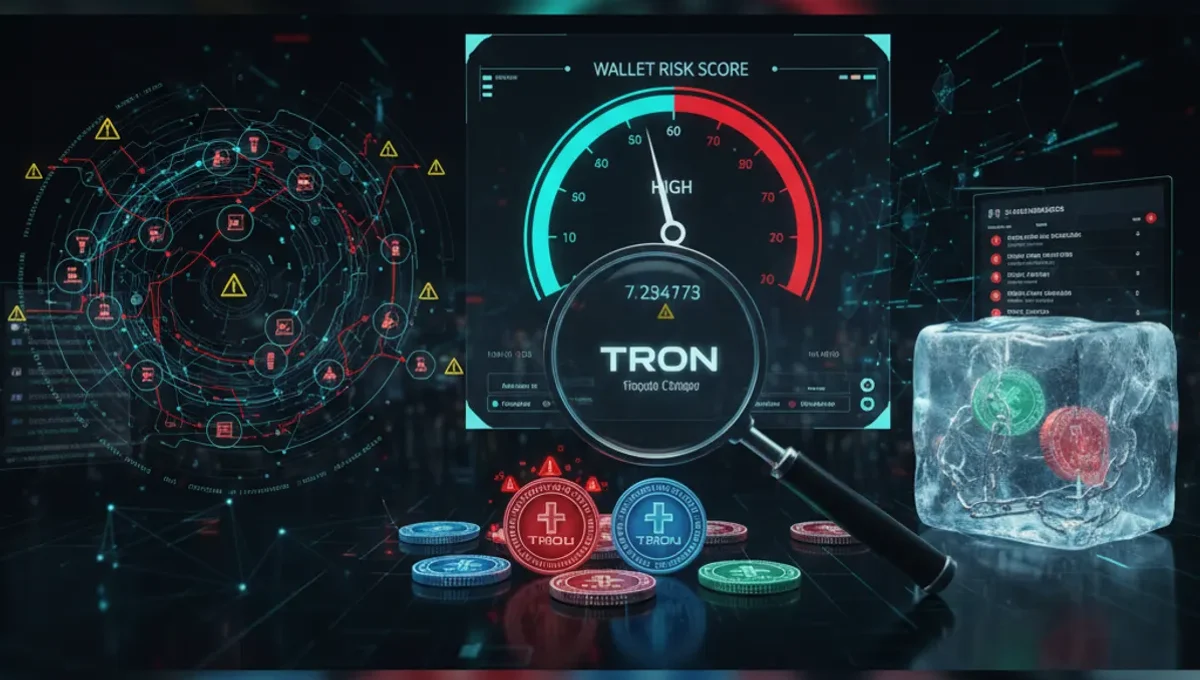
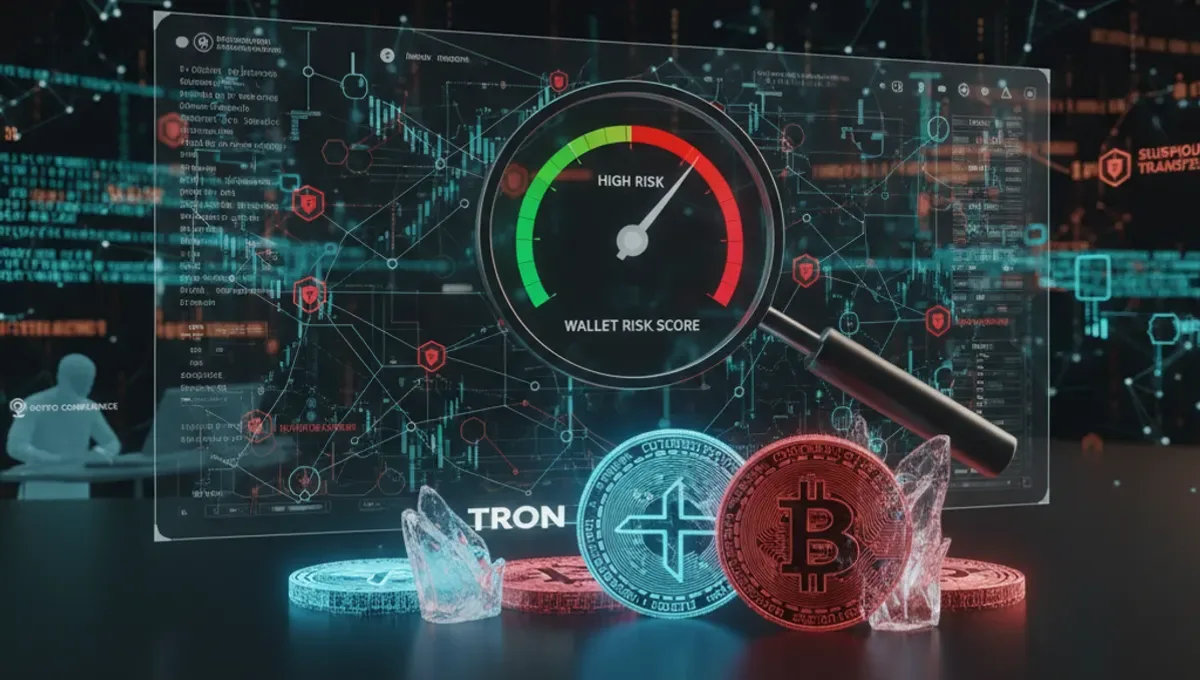
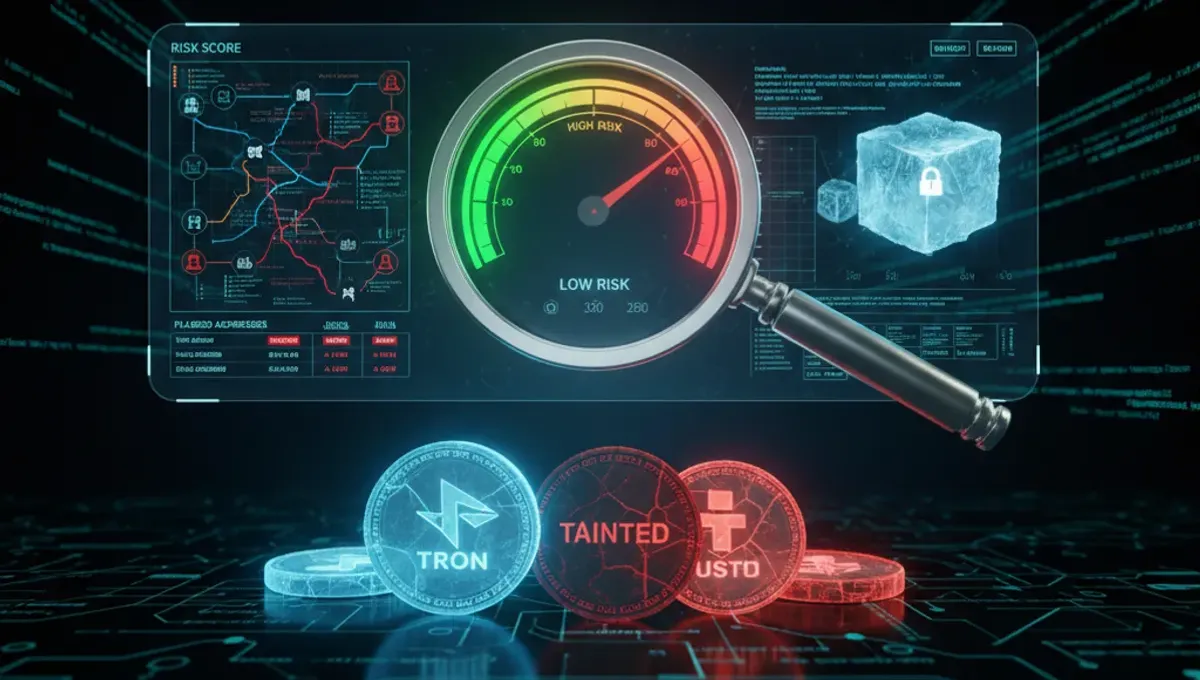
An AML check crypto process assigns a risk score to your wallet based on transaction history, counterparty behavior, and blockchain patterns. Risk scores typically range from low (0–30%) to medium (30–70%) to high (70–100%). A wallet receives a higher score if it has received coins from: mixers or tumblers, darknet market addresses, stolen funds, sanctioned entities, or gambling platforms. Exchanges use these scores to decide whether to accept your deposit, require additional documentation, or reject the transaction entirely. The scoring is automated through blockchain analytics tools that trace coin origins across the ledger. For example, if you receive USDT on Tron that was previously mixed or used in a scam, your wallet's risk score rises. An aml crypto check is not a one-time event—it happens every time you move funds to a regulated platform. Understanding your wallet's risk profile before sending coins to an exchange prevents costly delays and account restrictions.
Step-by-Step: How to Check a Wallet Before Receiving Crypto
Before accepting USDT, TRX, BTC, or ETH from an unknown source, run an AML check on the sending wallet. Here's the process:
- Copy the sender's wallet address (ensure it matches exactly—no typos).
- Visit a trusted AML wallet screening service (our curated AML Services page lists verified providers).
- Paste the address and select the blockchain (Tron for TRX, Ethereum for ETH, Bitcoin for BTC).
- Review the risk score and transaction history. Look for red flags: mixer usage, darknet links, stolen fund reports, or sanctions matches.
- Check the coin age and source. Newly mixed coins or those from high-risk pools warrant caution.
- If the score is low (under 30%), the coins are likely safe to receive. Medium scores (30–70%) require judgment—contact the sender to confirm legitimacy. High scores (above 70%) should be rejected unless you have strong reason to trust the source.
This simple check takes two minutes and protects you from receiving dirty crypto that exchanges will flag and freeze.
What Risk Score Levels Mean and When to Reject Coins
Risk score thresholds vary by exchange, but general guidelines are:
- Low (0–30%): Safe to receive and deposit. Minimal darknet or mixer exposure.
- Medium (30–70%): Proceed with caution. The wallet has some suspicious activity but may be legitimate. Contact the sender to verify the source of funds.
- High (70–100%): Reject unless you have absolute certainty. Coins are likely tainted, stolen, or from sanctioned sources. Receiving them risks your exchange account being frozen or permanently banned.
Exchanges enforce these thresholds differently. Some accept only low-risk coins; others allow medium-risk with additional KYC documentation. If you deposit high-risk coins, the exchange's compliance team may freeze your account pending investigation, and you could lose access to your funds for weeks or months. In extreme cases, exchanges report suspicious activity to financial regulators, which can trigger legal scrutiny. The safest approach: reject any coin with a score above 50% unless you personally know and trust the sender.
Why Exchanges Freeze USDT and Ban Accounts Over Tainted Coins
Exchanges freeze accounts and reject USDT deposits when they detect tainted coins because they face regulatory pressure and financial penalties. If an exchange knowingly processes stolen funds, ransomware proceeds, or coins linked to sanctioned entities, the platform can be fined millions of dollars, lose banking relationships, or face criminal charges against executives. When you deposit USDT with a high AML risk score, the exchange's compliance system flags it automatically. The platform then investigates: they check if the coins came from a known theft, a mixer, or a sanctioned address. If the risk is confirmed, they freeze your account and may require you to prove the source of funds. If you cannot provide documentation (a receipt, invoice, or exchange history showing legitimate purchase), your funds remain locked indefinitely. This is not the exchange being unfair—it's them protecting themselves and the financial system from money laundering. Understanding this dynamic is why checking a wallet before receiving crypto is essential.
How to Avoid Receiving Dirty Crypto and Protect Your Account
Practical steps to stay safe:
- Always verify the sender's wallet address before accepting funds. Use an AML check service to scan for risk.
- Ask the sender where the coins came from. Legitimate senders can explain: "I bought these on Binance last week" or "I received them as payment for work."
- Avoid receiving coins from unknown wallets, especially if they offer unusually good rates or come unsolicited.
- Use a personal wallet (not an exchange) as an intermediary if you're unsure. Hold the coins for a few days, monitor their risk score, and only move them to an exchange once you're confident.
- Keep receipts and transaction records. If an exchange questions your deposit, documentation proving legitimate purchase or receipt protects you.
- Never use mixers or tumblers to "clean" coins. This is illegal in most jurisdictions and flags your wallet as high-risk permanently.
- If you receive coins flagged as stolen or from a scam, report them to the exchange and law enforcement. Do not attempt to spend or move them.
These habits prevent account freezes and ensure smooth deposits and withdrawals.
Choosing a Trusted AML Check Service for Wallet Screening
Not all AML check services are equal. Some provide shallow screening; others offer deep blockchain analysis with sanctions list matching and darknet detection. When selecting a tool, look for: real-time blockchain data (not outdated reports), coverage of major blockchains (Tron, Ethereum, Bitcoin), clear risk scoring methodology, and transparent pricing. Our curated AML Services page lists verified providers that meet these standards. Before using any service, test it with a known low-risk wallet (e.g., a major exchange's cold wallet) to confirm accuracy. Avoid free services that lack detail or charge hidden fees after scanning. The best approach is to use a trusted service from our directory before every significant deposit or withdrawal. This small step—taking two minutes to check a wallet—prevents costly mistakes and keeps your account active and compliant.
Frequently asked questions
What is the difference between KYC and KYT in crypto?
KYC (Know Your Customer) verifies your identity before you trade; KYT (Know Your Transaction) monitors your transactions for risk. KYC happens once at signup; KYT is ongoing. Together they form AML compliance. KYC checks your ID and address; KYT scans whether your coins came from mixers, darknet, or stolen sources.
Will my exchange account be frozen if I receive tainted USDT?
Yes, if you deposit USDT with a high AML risk score, the exchange may freeze your account pending investigation. Exchanges must comply with anti-money laundering laws. If you cannot prove the coins are legitimate, your funds may remain locked indefinitely. Always check a wallet's risk score before receiving crypto.
How do I check if a wallet is safe before receiving coins?
Copy the sender's wallet address and paste it into a trusted AML check service. Review the risk score and transaction history. Low scores (under 30%) are safe; medium (30–70%) require verification; high (above 70%) should be rejected. Use services listed on our AML Services page for reliable screening.
What does a high AML risk score mean for my crypto?
A high risk score (70–100%) indicates the wallet has received coins from mixers, darknet markets, stolen funds, or sanctioned entities. Exchanges will likely reject or freeze deposits from high-risk wallets. Receiving such coins can result in account bans and regulatory scrutiny. Reject high-risk coins unless you absolutely trust the source.
Can I use a mixer to clean my crypto and lower my AML risk?
No. Using a mixer or tumbler is illegal in most jurisdictions and permanently flags your wallet as high-risk. Exchanges and regulators detect mixer usage through blockchain analysis. This approach guarantees account freezes and potential criminal charges. Always keep your coins on a clean, traceable path.