What Is a Free AML Crypto Check on Telegram?
A Telegram-based AML crypto check is a bot or service that screens blockchain addresses for compliance risk directly within Telegram's messaging app. You paste a wallet address into the chat, and the bot returns a risk score, transaction history flags, and exposure to known darknet markets, mixers, or sanctioned entities. These tools perform KYT (Know Your Transaction) analysis without requiring you to visit a separate website or pay per check. The advantage is speed and accessibility: you get instant results in a familiar interface. Most free Telegram AML bots have limits on daily lookups or show basic risk data, while premium tiers unlock deeper analytics. The service scans blockchain records against public blacklists, sanctions databases, and behavioral patterns to classify wallets as low, medium, or high risk.
How Does AML Wallet Screening Work?
AML wallet screening compares a blockchain address against multiple data sources to assign a risk score. The process includes:
- tracing transaction history on the blockchain to identify fund sources and destinations;
- cross-referencing addresses with known darknet markets, mixing services, and theft databases;
- checking against sanctions lists and regulatory blacklists;
- analyzing transaction patterns for signs of money laundering or fraud. A free AML crypto check typically returns a numerical score (often 0–100, where higher means riskier) and categorical flags such as 'mixer exposure,' 'darknet activity,' 'stolen funds,' or 'gambling.' The underlying data comes from blockchain analysis firms that maintain proprietary databases of illicit activity. Telegram bots query these databases and display results in real time. The accuracy depends on the quality of the underlying data and how recently it was updated.
How to Check a Wallet Address on Telegram
To run a free AML crypto check on Telegram:
- Find and open a verified AML bot in Telegram (search for services listed on our AML Services page for trusted options).
- Start the bot and follow its setup instructions, which usually require no registration.
- Copy the wallet address you want to check (TRX, USDT, BTC, or ETH).
- Paste the address into the chat and send it.
- Wait a few seconds for the bot to query the blockchain and return results.
- Review the risk score and any flags. Most bots display results as a card or message showing the score, transaction count, and specific risk categories. If the address shows high risk, the bot may recommend not transacting with it. Some bots allow you to check multiple addresses in one session; others limit free users to a few checks per day. Always verify the bot's legitimacy by checking it against our curated list of verified services.
Understanding Risk Scores and Flags
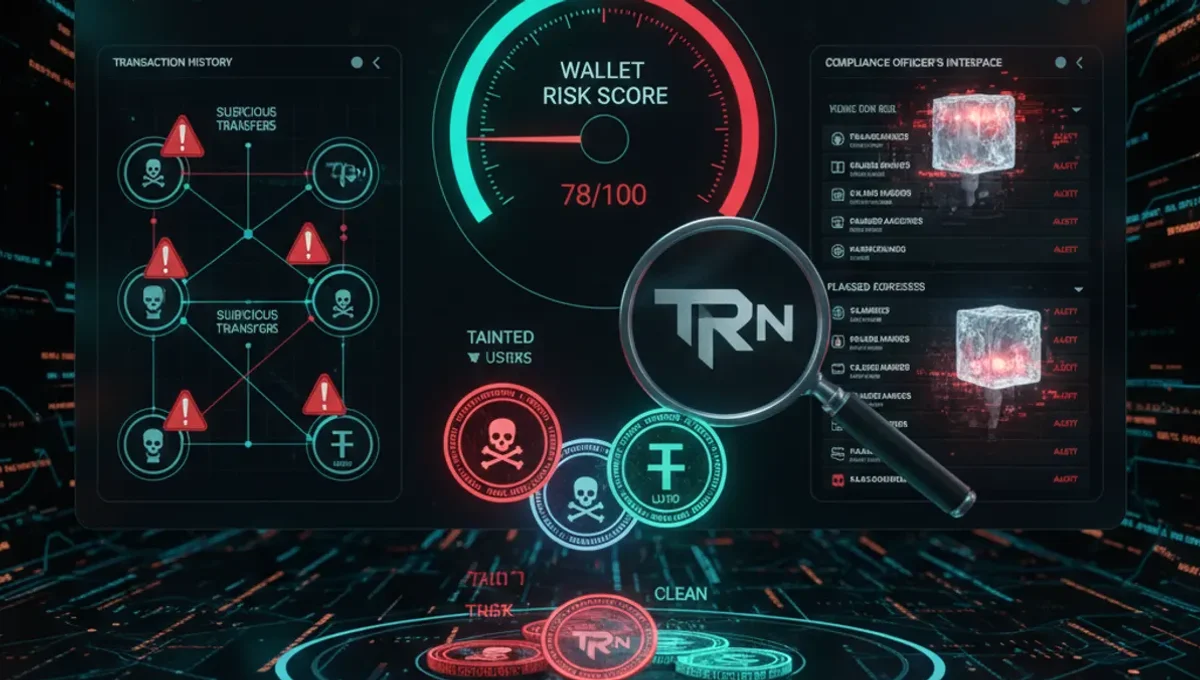
A risk score from an AML crypto check typically ranges from 0 (clean) to 100 (high risk), though some services use percentages or categorical labels. Scores below 20 usually indicate low risk and routine transactions. Scores between 20 and 50 suggest medium risk, often due to mixer exposure or unconfirmed sources. Scores above 50 flag high risk, which may include darknet links, stolen funds, or sanctions exposure. Common flags include: 'Mixer' (funds passed through privacy services), 'Darknet' (transaction history linked to known illegal markets), 'Stolen' (coins reported as theft proceeds), 'Sanctions' (address linked to sanctioned entities), and 'Gambling' (activity tied to gambling platforms). Not all flags mean the funds are illegal; some indicate regulatory scrutiny or association with high-risk services. Before rejecting a transaction, assess whether the risk aligns with your compliance threshold. Many exchanges accept addresses with scores below 30; others are stricter. Document your decision for audit purposes.
Free vs. Paid AML Crypto Check Services
Free AML crypto checks on Telegram offer basic screening at no cost but come with limits. Free tiers typically allow 5–20 checks per day, show summary risk scores, and flag major red flags like darknet or sanctions exposure. Paid plans remove daily limits, provide detailed transaction histories, offer batch checking (multiple addresses at once), and include historical risk tracking. Some services charge per check (often $0.50–$2 per address), while others use monthly subscriptions ($20–$100+). For occasional users, free Telegram bots suffice. For businesses handling multiple transactions daily, a paid service is more practical. Our AML Services page lists verified providers offering both free trials and paid tiers, so you can compare features and pricing before committing. Start with a free check to assess the service's accuracy and user experience.
What to Do If Your Wallet Shows High Risk
If an AML crypto check flags your address as high risk, take these steps:
- Review the specific flags to understand the reason (mixer use, darknet link, etc.).
- If the flag is incorrect or outdated, contact the service provider to request a review or delisting.
- If you received tainted coins, consider whether to hold them or attempt to exchange them on a lenient platform, though most exchanges will reject high-risk addresses.
- Document the check result and your response for compliance records.
- For future transactions, use a new wallet address to avoid the risk label.
- If you suspect your address was flagged due to a scam or theft, report it to the service and relevant authorities. High-risk flags do not necessarily mean your funds are illegal, but they signal regulatory scrutiny. Exchanges and payment processors may freeze accounts linked to high-risk addresses, so addressing the issue promptly is important. Avoid using high-risk addresses for business transactions.
Best Practices for Avoiding Tainted Coins
To minimize the risk of receiving tainted coins or sanctions-linked funds:
- Always run a free AML crypto check before accepting large transfers.
- Request the sender's wallet address in advance and screen it before the transaction.
- Use exchanges and wallets that enforce KYC and AML compliance; they reduce exposure to stolen or illicit funds.
- Avoid mixing services or privacy coins if you operate in a regulated jurisdiction.
- Keep records of all AML checks and transaction approvals for audit trails.
- Set an internal risk threshold (e.g., reject addresses scoring above 30) and enforce it consistently.
- Monitor your wallet periodically with free AML checks to catch emerging risk flags.
- If you operate a business, use a dedicated compliance tool or service from our AML Services page to automate screening. These practices reduce the likelihood of frozen accounts, exchange bans, or regulatory penalties.
Frequently asked questions
Is it really free to check a crypto wallet on Telegram?
Yes, most Telegram AML bots offer free checks with daily limits (typically 5–20 lookups). Free tiers show basic risk scores and major flags. Paid plans remove limits and add detailed analytics. Start with a free check to test the service before upgrading.
Can I check a USDT or TRX address for free on Telegram?
Yes. Free AML crypto checks work on USDT (Ethereum and Tron networks), TRX (Tron), BTC (Bitcoin), and ETH (Ethereum). Paste the address into the Telegram bot, and it returns a risk score and flags specific to that blockchain.
What does a high AML risk score mean for my wallet?
A high score (above 50) indicates exposure to darknet markets, mixers, stolen funds, or sanctions. It does not necessarily mean your funds are illegal, but exchanges may freeze accounts or reject transactions. Review the specific flags and consider using a new wallet for future transactions.
How accurate are free Telegram AML checks?
Accuracy depends on the service's data quality and update frequency. Most reputable services flag major risks (darknet, sanctions) reliably but may miss newer or obscure illicit activity. Verify results with a second service if the stakes are high, and check our AML Services page for trusted providers.
Can I use a free AML check for business compliance?
Free checks are suitable for occasional personal use. For business transactions, use a paid service or dedicated compliance tool that offers batch checking, audit trails, and customer support. Our AML Services page lists verified providers designed for business compliance.