What Is an AML Check and Why Do You Need One
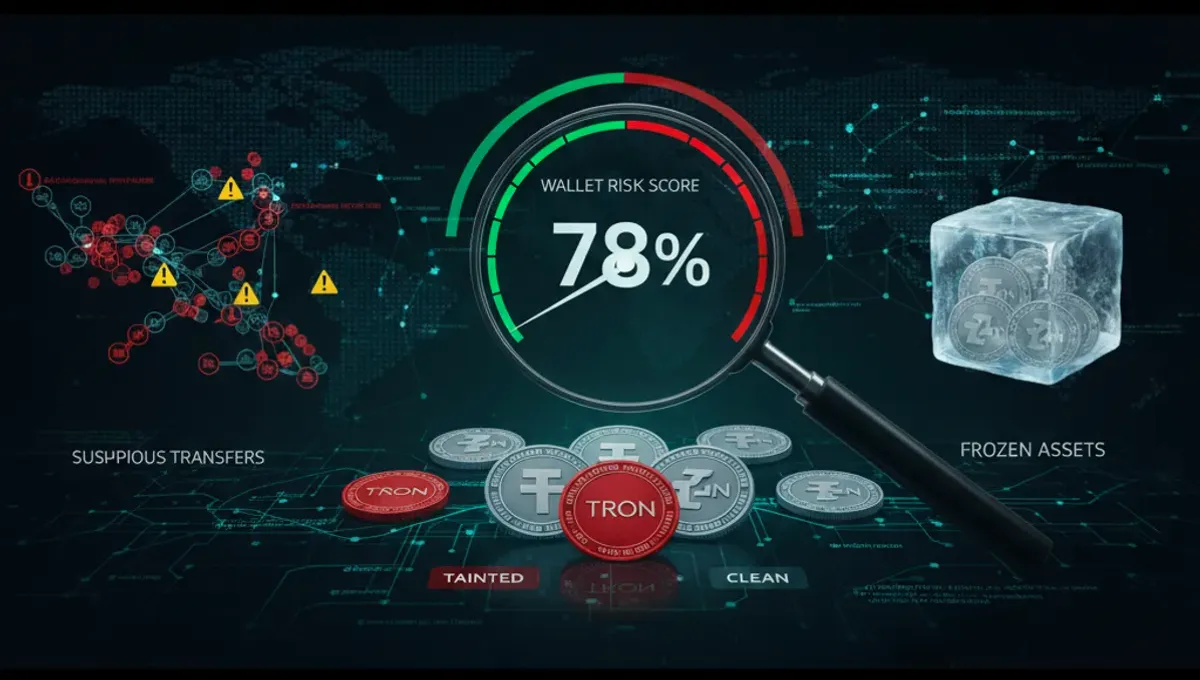
An AML (Anti-Money Laundering) check is a compliance screening that evaluates whether a crypto wallet or address has been exposed to illicit activity. The check examines the wallet's transaction history, incoming and outgoing funds, and associations with known risk sources such as mixers, darknet markets, scams, or sanctioned entities. You need AML checks before accepting large transfers, conducting peer-to-peer trades, or receiving USDT or TRX from unfamiliar sources. Exchanges and custodians use AML checks to meet regulatory requirements; individuals use them to avoid receiving dirty crypto, which can trigger account freezes or compliance holds. A single tainted transaction can propagate through your wallet, affecting all future transactions and potentially blocking your access to exchange services.
How Do AML Checks Work on Blockchain
AML checks work by analyzing the complete transaction history of a wallet address on the blockchain. The screening service traces funds backward and forward, identifying the source and destination of every transaction. It compares wallet activity against multiple data sources: blockchain analytics databases, sanctions lists (such as OFAC), known darknet market addresses, mixer services, and fraud registries. The system assigns a risk score based on the number and severity of risk flags. For example, a wallet that received funds from a known mixer receives a higher risk score than one with clean peer-to-peer transactions. The check also identifies wallet age, transaction frequency, and behavioral patterns. Results are typically delivered within seconds to minutes. The underlying technology relies on transaction tracing algorithms that follow the flow of coins across addresses, even when they pass through multiple wallets or exchanges.
Step-by-Step: How to Check a Wallet Address for AML Risk
Follow these steps to perform an AML check on a crypto wallet:
1. Gather the wallet address you want to check. Copy the full address (TRX, USDT, BTC, or ETH) from your wallet or the sender.
2. Visit a trusted AML screening service. Our curated list of verified AML services on this site provides reliable options for wallet screening.
3. Paste the address into the search field. Ensure the address format matches the blockchain (e.g., TRC20 for USDT on Tron, or native Bitcoin addresses).
4. Submit the check. The service scans the address against its database and blockchain records.
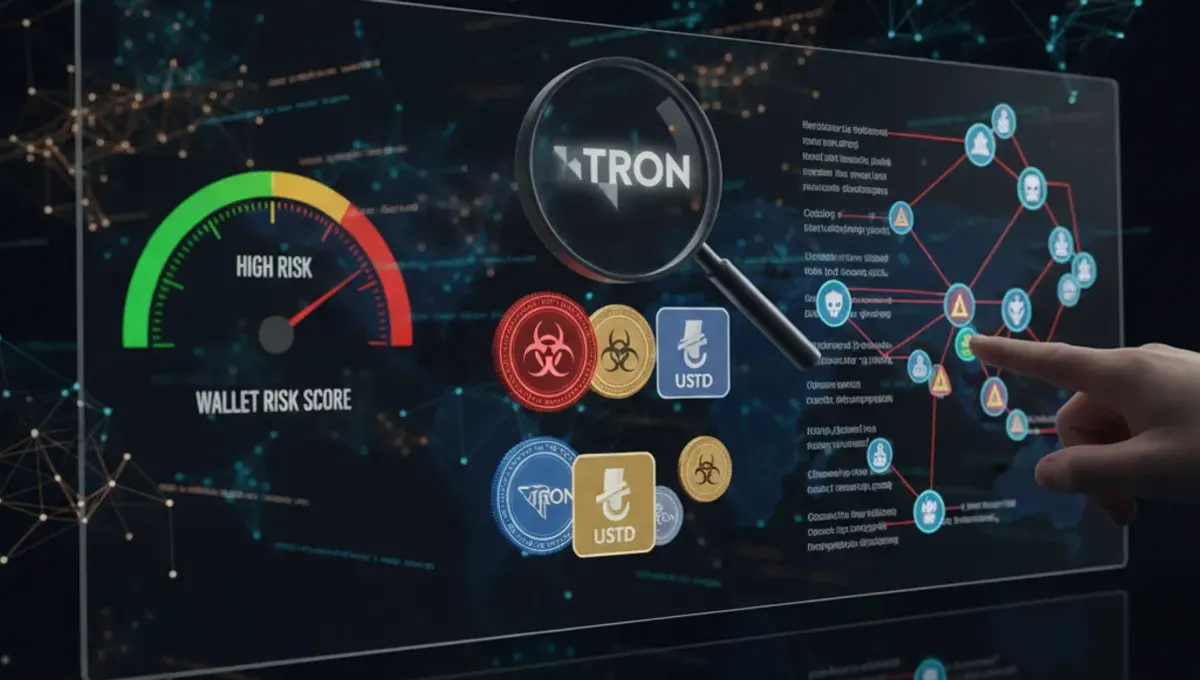
5. Review the risk score. Scores typically range from low (green) to high (red). Understand what each level means for your transaction.
6. Examine the risk details. The report shows specific flags: mixer exposure, darknet connections, stolen funds, sanctions hits, or scam associations.
7. Make a decision. If the risk is acceptable for your use case, proceed. If the score is high, decline the transaction or investigate further before accepting funds.
Understanding AML Risk Scores and What They Mean
AML risk scores quantify the likelihood that a wallet or transaction is associated with illicit activity. Scores are typically presented on a scale (e.g., 0–100 or low/medium/high/critical). A low score (0–20) indicates minimal risk: the wallet has clean transaction history and no known associations with illicit sources. A medium score (21–50) suggests some risk flags, such as mixer interaction or unidentified sources, but not direct darknet or sanctions exposure. A high score (51–80) means the wallet has multiple risk indicators, including possible mixer use, scam associations, or transactions with flagged entities. A critical score (81–100) indicates direct exposure to darknet markets, stolen funds, sanctions violations, or known fraud schemes. Your acceptable threshold depends on your risk tolerance and regulatory obligations. Exchanges typically block deposits from critical-score wallets. For peer-to-peer trades, many users accept medium scores but reject high or critical ones. Always review the specific risk flags, not just the number, because context matters.
AML Check Costs and Fee Structures
AML check pricing varies by service and use case. Many services offer a limited number of free checks per month (typically 1–5), which is sufficient for occasional wallet screening. Paid plans range from a few dollars per check to subscription models costing $10–100 per month for businesses conducting frequent screening. Some services charge per API call for automated, high-volume checks. Enterprise solutions for exchanges and custodians cost significantly more based on transaction volume and compliance requirements. The AML check fee is often justified by the cost of maintaining blockchain analytics databases, sanctions list subscriptions, and transaction tracing infrastructure. For individuals checking a single wallet before a trade, free checks are usually adequate. For businesses or frequent traders, a subscription plan is more economical. Compare the AML fee structure against the scope of checks included: some services limit free checks to one blockchain, while others cover TRX, USDT, BTC, and ETH across multiple networks. Review the verified AML services on this site to find pricing that matches your needs.
What to Do If Your Wallet Is Flagged as High Risk
If your wallet receives a high or critical AML risk score, take these steps:
1. Identify the risk source. Review the detailed report to understand which specific flags triggered the score (mixer exposure, darknet connection, stolen funds, etc.).
2. Trace the problematic transaction. Use a blockchain explorer to review incoming and outgoing transactions. Identify which transfer caused the flag.
3. Assess your own involvement. Determine whether you knowingly received tainted crypto or if the flag is a false positive due to indirect exposure.
4. Avoid depositing to exchanges. Most exchanges will freeze or reject deposits from flagged wallets, resulting in lost access to your funds.
5. Consider a new wallet. If the flagged funds are significant, transfer clean crypto to a new address and avoid mixing flagged and clean coins.
6. Document the transaction. Keep records of the source and context of the flagged transfer for your own compliance records.
7. Contact the service provider if needed. Some AML services allow dispute or review if you believe the flag is incorrect. However, exchanges rarely overturn freezes based on disputes alone.
Common Risk Categories in AML Checks
AML screening identifies several specific risk categories that trigger flags:
Mixers and tumblers: Services that deliberately obscure transaction trails. Funds passing through mixers receive high-risk flags because the source becomes untraceable.
Darknet markets: Wallets associated with known darknet marketplaces (for illegal goods or services) are flagged as critical risk.
Stolen funds: Crypto traced to theft, hacking, or fraud receives a stolen funds flag. This is one of the most serious categories because it can result in permanent exchange bans.
Scams and fraud: Wallets linked to Ponzi schemes, rug pulls, or investment fraud are flagged.
Sanctions: Addresses matching OFAC or other government sanctions lists receive critical flags and are often blocked entirely by regulated exchanges.
Gambling: Some AML services flag wallets with high gambling exposure, though this is lower risk than other categories.
Unidentified sources: Transactions from unknown or unverifiable sources may receive a medium flag due to lack of transparency.
Understanding these categories helps you interpret your AML check results and decide whether to accept or reject a transaction.
Frequently asked questions
How long does an AML check take
Most AML checks complete within seconds to a few minutes. The service scans the address against its database and blockchain records in real time. Some detailed reports may take up to 10 minutes. Bulk or API-based checks for businesses may have longer processing times depending on the service's queue.
Can I do a free AML check on a crypto wallet
Yes, many AML services offer free checks, typically 1–5 per month. Free checks usually cover basic risk scoring and flag identification. Paid plans unlock unlimited checks, detailed reports, and API access. For occasional wallet screening before trades, free checks are sufficient. Check the verified AML services on this site for free options.
What happens if I receive tainted crypto
If you receive tainted crypto flagged as high or critical risk, exchanges may freeze your account or reject deposits. You may lose access to those funds. Mixing tainted and clean crypto can spread the flag to your entire wallet. To avoid this, always check wallet addresses before accepting transfers, especially large amounts or from unfamiliar sources.
Do I need an AML check for every crypto transaction
You don't need an AML check for every transaction, but it's recommended before accepting significant amounts or from unknown sources. Peer-to-peer trades, large USDT or TRX transfers, and transactions from new counterparties warrant a check. Regular transfers between your own wallets or trusted exchanges typically don't require screening.
Which blockchains can I check with AML services
Most AML services support Bitcoin, Ethereum, Tron (TRX), and USDT across multiple networks. Some services also cover Litecoin, Ripple, and other major blockchains. Verify that the service you choose supports the specific blockchain and token you need to check before submitting your wallet address.