What Is a TRC20 AML Check and Why It Matters
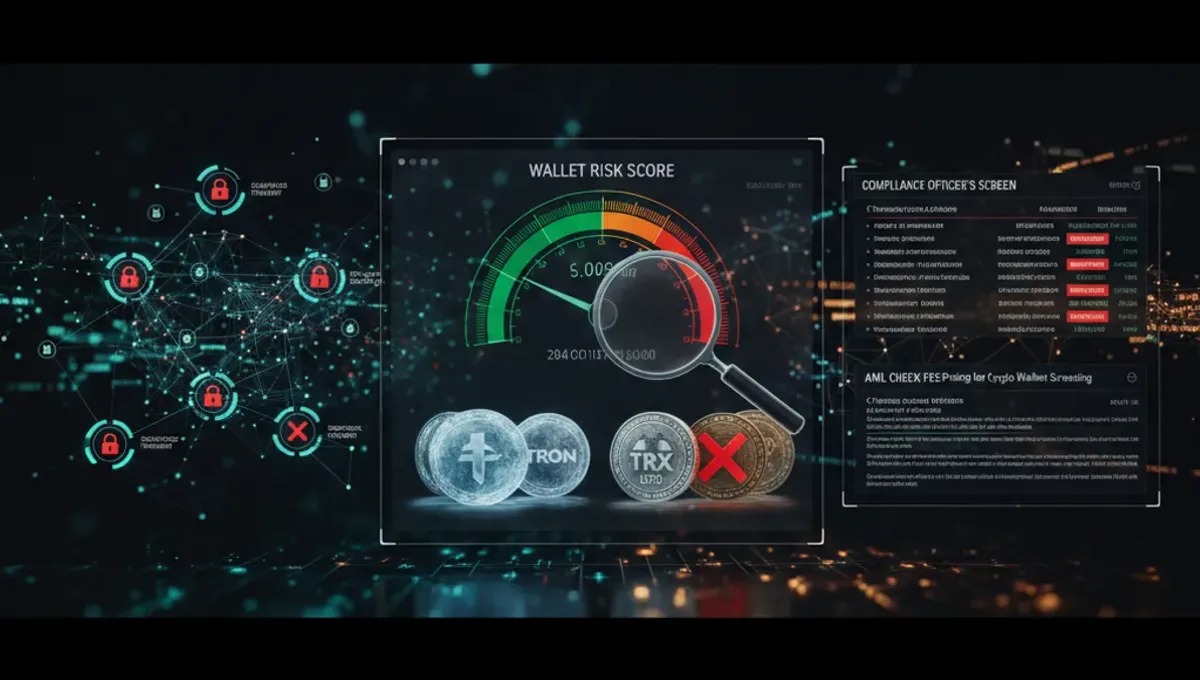
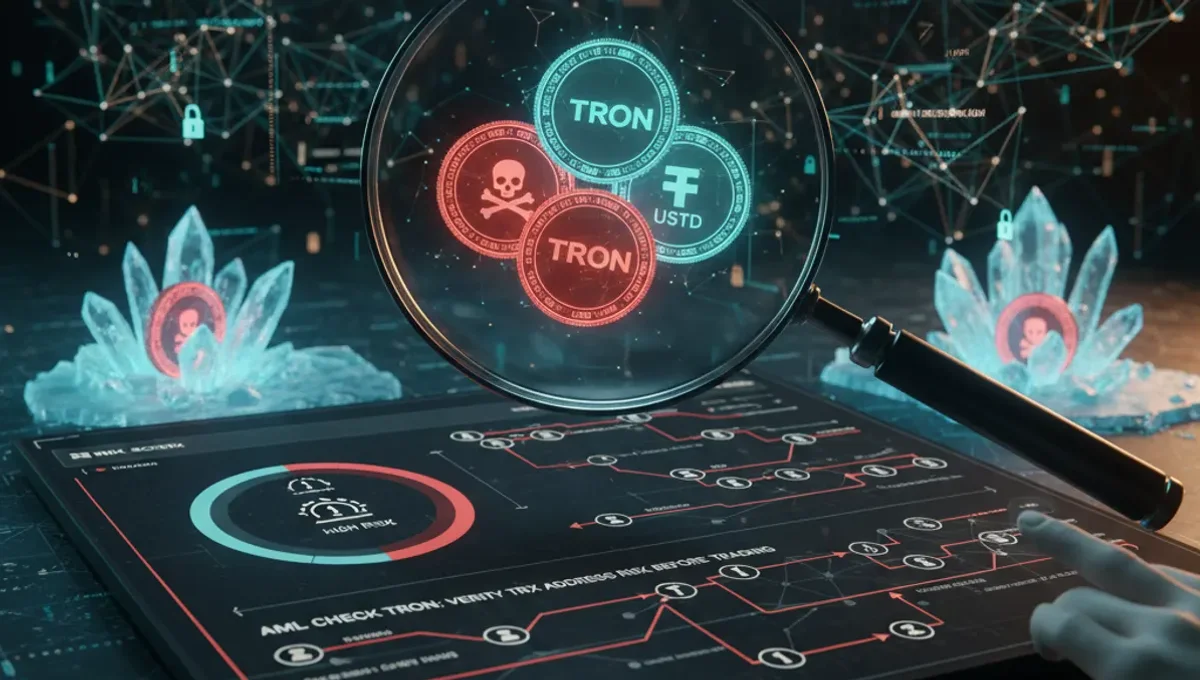
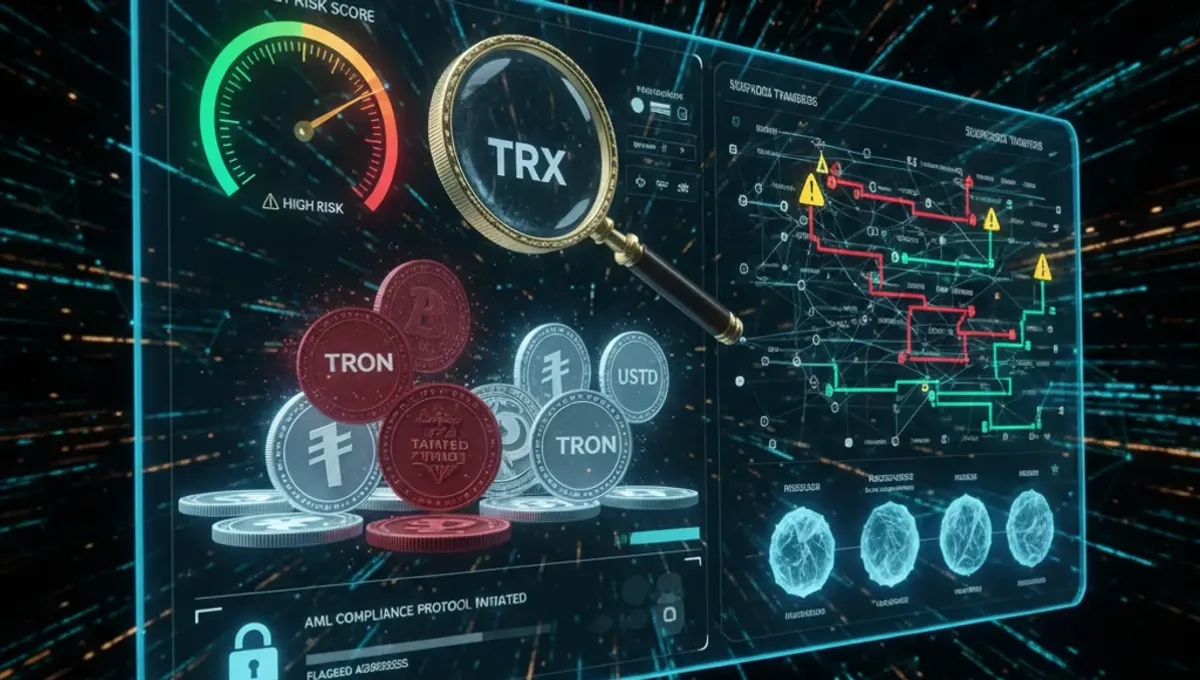
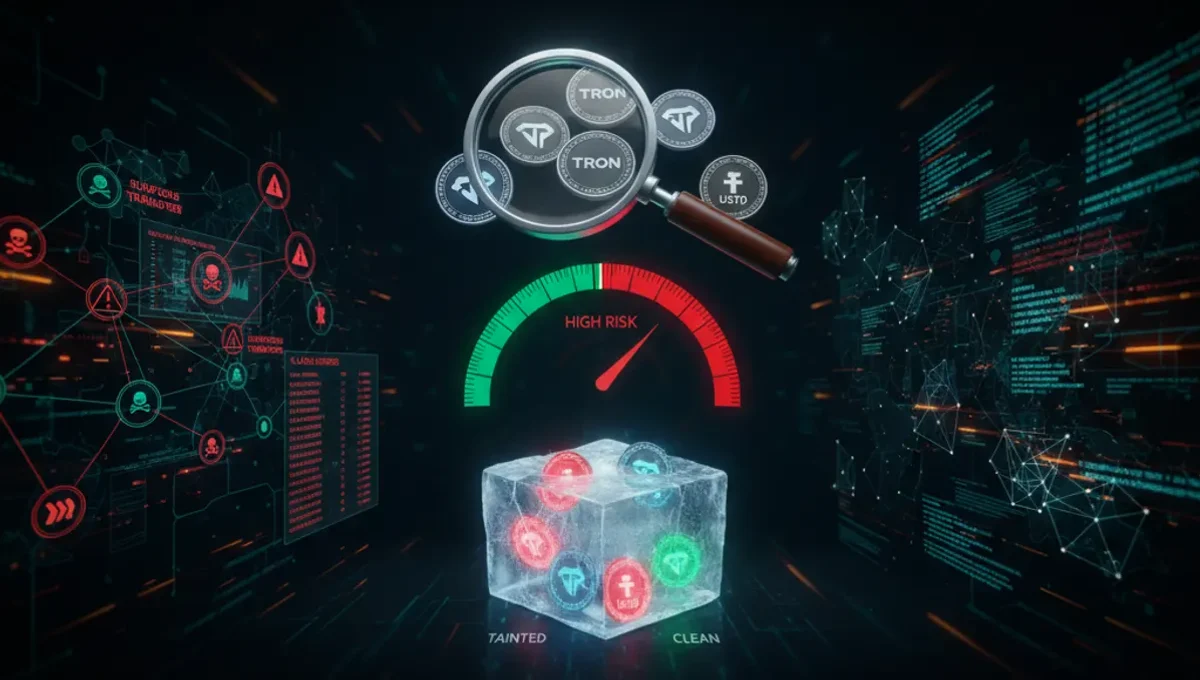
A TRC20 AML check is a blockchain screening tool that analyzes the transaction history of Tron addresses to identify compliance risks. TRC20 is the token standard on the Tron network; USDT issued on Tron (TRC20-USDT) is one of the most widely used stablecoins. When you receive TRC20 tokens, the coins themselves carry a history—if they've passed through mixers, darknet markets, or stolen-funds wallets, they become flagged as tainted. Exchanges and custodians monitor incoming deposits and may freeze accounts or reject transactions tied to high-risk addresses. An AML check requirements typically include verifying the source wallet, checking for sanctions list matches, and assessing exposure to known illicit services. Running a TRC20 AML check before accepting tokens protects you from regulatory liability and account restrictions.
How TRC20 AML Risk Scoring Works
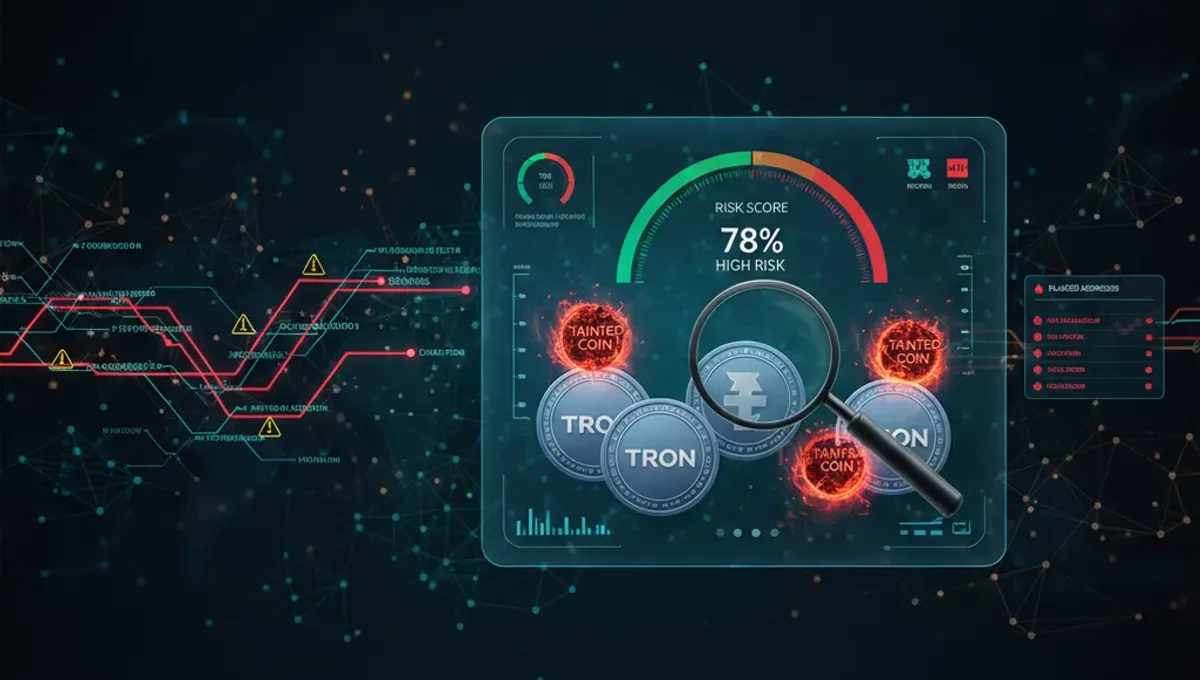
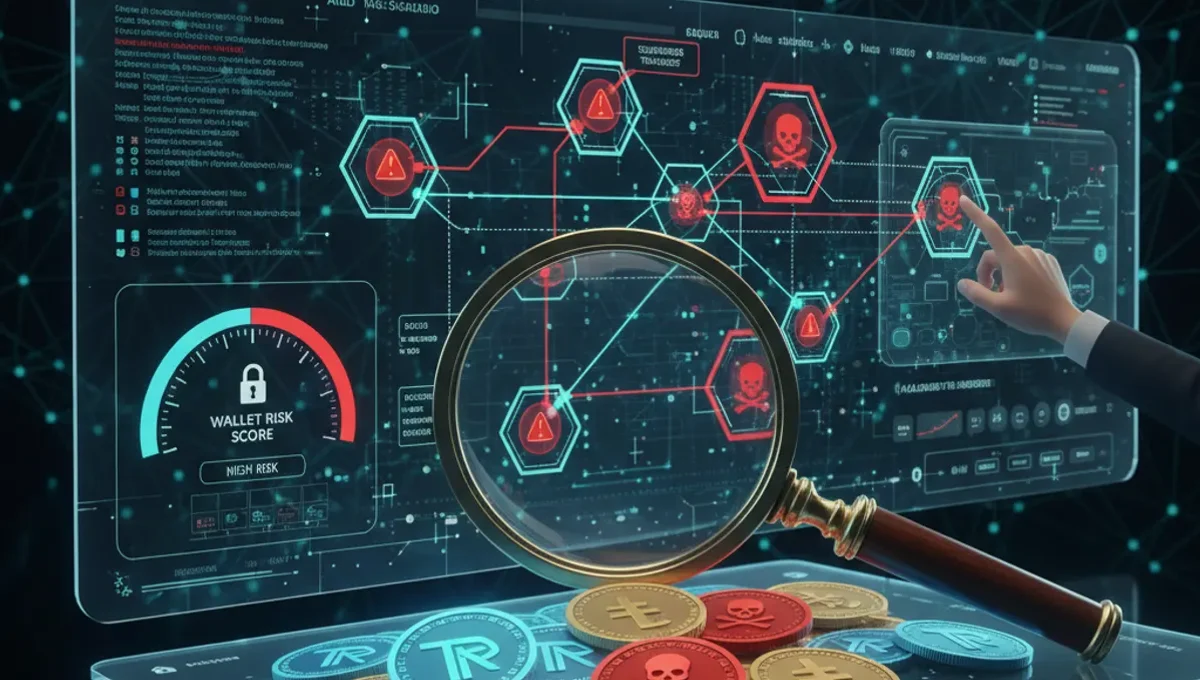
AML check crypto services assign a risk score to each address based on its transaction graph. The scoring model evaluates several factors: direct exposure to known mixers or tumblers, connections to darknet marketplaces, receipt of stolen or ransomware funds, and matches against sanctions lists maintained by regulatory bodies. Each transaction is traced backward and forward to build a risk profile. A low risk score (typically 0–20%) indicates the address has clean transaction history with no known illicit connections. A medium score (20–50%) suggests some exposure to higher-risk services but no direct criminal activity. A high score (50%+) flags direct or recent contact with mixers, darknet markets, or sanctioned entities. The AML check process is automated but may include manual review for edge cases. Risk scores are not binary—they reflect probability and degree of exposure, allowing you to make informed decisions based on your compliance tolerance.
Step-by-Step: How to Check a TRC20 Address for AML Risk
Follow these steps to run an AML check on a Tron address before receiving USDT or other TRC20 tokens:
- Obtain the full Tron address (begins with T) from the sender.
- Visit a verified AML screening service—check our curated list of trusted AML services on this site for options that support Tron and TRC20 tokens.
- Paste the address into the search field.
- Review the risk score and detailed report, which typically includes transaction history, connected entities, and flagged activities.
- Check the risk category breakdown: does the score reflect mixer exposure, darknet connections, sanctions matches, or other factors.
- Decide whether the risk level is acceptable for your use case. For high-value or regulated transactions, aim for a score below 20%. For lower-risk scenarios, 20–40% may be tolerable.
- Document the check result for compliance records.
Most AML check services return results in seconds. Some offer batch checks for multiple addresses; others charge per lookup. Compare the AML check fee structure and coverage before selecting a service.
Understanding TRC20 AML Risk Categories
TRC20 addresses are flagged for specific risk reasons. Mixer exposure means the address has sent or received funds through a coin mixer or tumbler—services designed to obscure transaction trails. Darknet exposure indicates contact with known darknet marketplace wallets or infrastructure. Stolen funds flags indicate the address received proceeds from theft, hacking, or ransomware attacks. Sanctions risk means the address is linked to individuals or entities on government sanctions lists (OFAC, EU, UN, or others). Gambling exposure shows activity tied to unlicensed or high-risk gambling platforms. Scam or fraud flags indicate the address is associated with known Ponzi schemes, rug pulls, or phishing operations. Each category carries different regulatory weight. Sanctions exposure is the most serious—receiving sanctioned funds can trigger legal consequences. Mixer or darknet exposure is high-risk but context-dependent. Stolen funds require immediate reporting in many jurisdictions. Understanding which categories apply to a flagged address helps you assess true compliance risk versus false positives.
What to Do If Your TRC20 Coins Are Flagged as Tainted
If an AML check reveals that your incoming USDT or TRC20 tokens are tainted, take these steps:
- Do not deposit the coins into an exchange or regulated custodian—they will likely be rejected or frozen.
- Investigate the source. Ask the sender where the funds originated. If they cannot explain the risk flags, reconsider the transaction.
- Review the detailed report to understand which risk category applies. Mixer exposure is often reversible; sanctions exposure is not.
- If the coins are legitimately yours (e.g., you received them as payment and the sender made an honest mistake), contact the sender and request a re-send from a clean address.
- Do not attempt to launder tainted coins through mixers or multiple transfers—this amplifies compliance risk and may constitute money laundering.
- Keep records of the AML check and your investigation for regulatory inquiries.
- Report the incident to your exchange or custodian if you've already received the coins.
In most cases, the safest action is to reject the transaction and request a resend from a verified clean address.
Acceptable TRC20 AML Risk Thresholds by Use Case
Risk tolerance depends on your regulatory environment and transaction type. For regulated businesses and exchanges, aim for a risk score below 10%—this ensures minimal compliance friction and reduces audit risk. For institutional transfers and large USDT movements, keep scores below 20%; anything higher requires documented due diligence and approval. For peer-to-peer or informal transactions, scores below 40% are often acceptable, though you assume higher regulatory exposure. For high-value or cross-border payments, treat any score above 30% as a red flag and investigate further. Never accept coins flagged for active sanctions exposure, regardless of score—this is a hard compliance line. If you operate in a jurisdiction with strict AML requirements (EU, US, Singapore, Hong Kong), apply stricter thresholds. If you're a retail user accepting occasional payments, a 50% threshold may be practical, but document your decision. The key is consistency: set a threshold, apply it uniformly, and keep records. Your AML check requirements should align with your risk appetite and regulatory obligations.
How Exchanges Freeze Tainted TRC20 USDT and Ban Accounts
When you deposit tainted TRC20 USDT into an exchange, the exchange's compliance system flags the incoming transaction during the deposit confirmation process. The exchange runs its own AML check crypto screening—often using multiple third-party providers—and compares the address against internal risk databases. If the address matches a high-risk profile or sanctions list, the exchange may: freeze the deposit pending manual review, reject the deposit and return it to the sender, or freeze the entire account if the risk is severe. The freeze can last days to weeks while compliance staff investigate. If the coins are deemed unrecoverable or linked to serious crime, the exchange may permanently reject them and ban the account. This is especially common for USDT on Tron because USDT is a stablecoin with high regulatory scrutiny. Even if you personally did nothing wrong, receiving tainted coins can trigger account restrictions. To avoid this, always run an AML check before accepting TRC20 tokens. Use verified services from our curated AML services list to ensure your screening is thorough and defensible.
Frequently asked questions
How much does a TRC20 AML check cost?
AML check fee varies by service. Some providers offer free checks with limited detail; others charge per lookup (typically $1–$10 per address) or offer monthly subscriptions for bulk screening. Compare pricing on our verified AML services list to find the best fit for your volume and budget.
Can I check a TRC20 address for free?
Yes, some AML services offer free TRC20 checks with basic risk scoring, though detailed reports may require payment. Free checks usually cover the essential information: risk score, category flags, and transaction history. Paid services typically provide deeper analysis and batch processing.
What does a high TRC20 AML risk score mean?
A high risk score (50%+) indicates the address has direct exposure to mixers, darknet markets, stolen funds, or sanctions lists. It does not prove the address owner committed a crime, but it signals compliance risk. Avoid accepting large TRC20 transfers from high-risk addresses unless you've verified the source independently.
How long does a TRC20 AML check take?
Most TRC20 AML checks return results in seconds to minutes. The screening is automated and compares the address against known risk databases. Manual review for edge cases may take hours or days, but initial scoring is instant.
Can I reverse a TRC20 transaction if the coins are tainted?
No. Tron transactions are irreversible once confirmed. If you receive tainted TRC20 USDT, you cannot undo the transfer. Your only option is to contact the sender and request a resend from a clean address, or hold the coins offline until the risk flags expire (which rarely happens for serious violations).