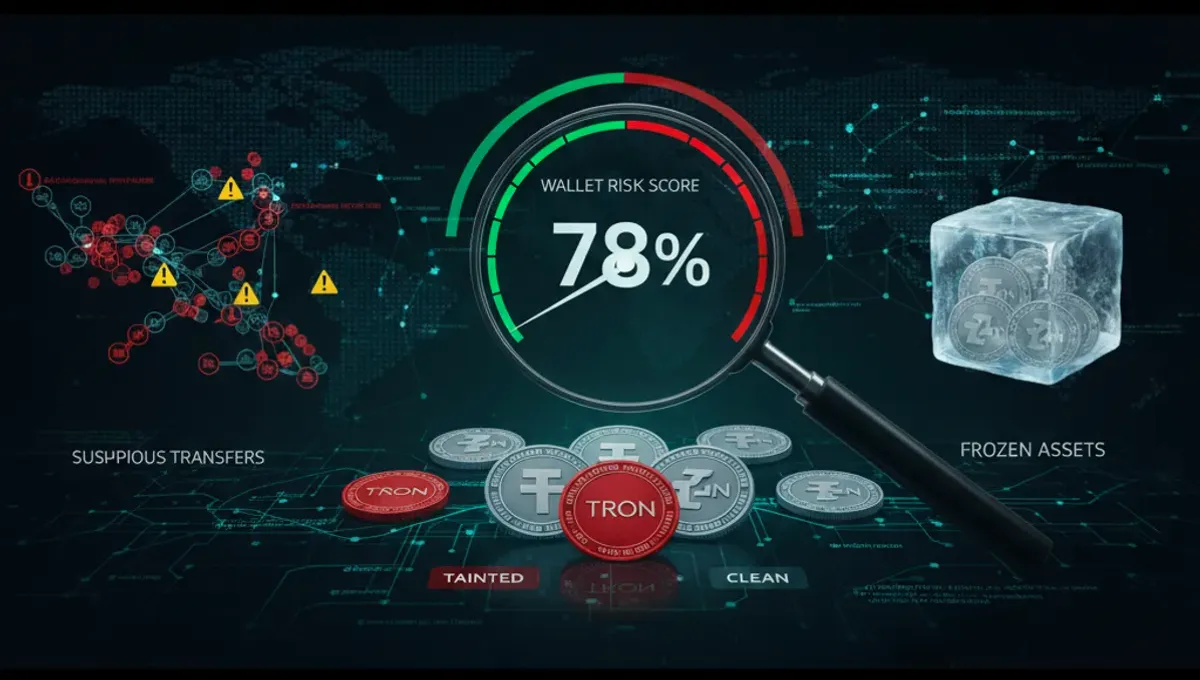
What Is Fake Crypto Wallet Screening?
Fake crypto wallet screening is the process of analyzing a blockchain address to determine whether it has been flagged for illicit activity, sanctions exposure, or association with known fraud. The screening checks the wallet's transaction history against databases of known risk indicators: mixers, darknet markets, stolen funds, scams, gambling platforms, and sanctioned entities.
Unlike traditional banking, blockchain transactions are permanent and traceable. A wallet that received coins from a mixer or ransomware operation carries that taint forward. When you receive those coins, your wallet inherits the risk. Exchanges and payment processors flag tainted coins and may freeze your account or reject deposits. Fake wallet screening helps you identify this risk before it becomes your problem.
How Does AML Wallet Risk Scoring Work?
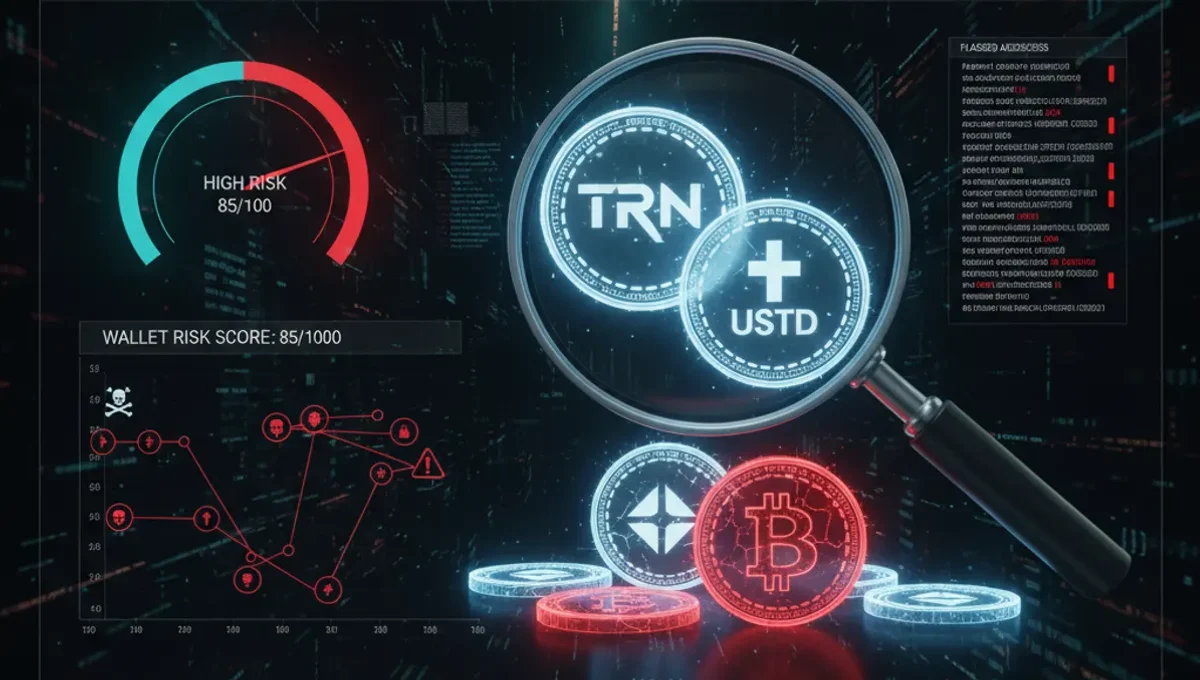
An AML crypto wallet check assigns a risk score based on the wallet's transaction history and counterparty exposure. Risk scores typically range from 0 (clean) to 100 (high risk), though scoring systems vary by provider.
Risk factors include: - Direct deposits from known mixers or tumblers - Transactions linked to darknet marketplaces - Funds originating from ransomware or theft incidents - Exposure to sanctioned entities or jurisdictions - Gambling platform connections - Scam or fraud-related addresses
A wallet may show moderate risk if it received coins from an exchange that was hacked years ago, even if the current owner is legitimate. The AML check flags this history so you can decide whether to accept the transaction. Most exchanges consider scores above 50–70 as high risk and may block deposits or require additional verification.
How to Check a Crypto Wallet Before Receiving USDT or TRX
Step-by-step process for screening a wallet address:
- Copy the wallet address (TRX, USDT, BTC, or ETH) you plan to transact with.
- Visit a trusted AML check service listed on verified screening platforms.
- Paste the address into the search field.
- Review the risk score and detailed findings: transaction history, flagged counterparties, and exposure categories.
- Check the risk level against your compliance threshold (most businesses reject scores above 50–70).
- If the score is acceptable, proceed with the transaction.
- If the score is high, request a different address from the sender or decline the transaction.
For USDT on Tron (TRC20) or Ethereum, the process is identical—the screening tool analyzes the wallet's full transaction graph regardless of blockchain. Always screen before receiving large amounts; even a single tainted coin deposit can trigger exchange freezes.
What Do Risk Score Levels Mean?
Risk score interpretation varies slightly by provider, but general thresholds are:
- 0–20: Clean. No known risk indicators. Safe to transact.
- 21–50: Low to moderate risk. Minor exposure to mixers or older fraud incidents. Most exchanges accept these.
- 51–75: High risk. Direct or recent exposure to darknet, ransomware, or sanctions. Many exchanges block or require review.
- 76–100: Critical risk. Strong indicators of active illicit use, stolen funds, or sanctioned entity involvement. Exchanges typically freeze or reject.
Acceptable thresholds depend on your business model. A peer-to-peer trader might accept scores up to 40; a regulated exchange or payment processor should reject anything above 20–30. Document your screening policy and apply it consistently to avoid compliance gaps.
What Happens When Your Crypto Wallet Is Flagged as Dirty?
If you receive tainted coins or your wallet is flagged during an AML check, several outcomes are possible:
- Exchange deposit rejection: The exchange detects the risk flag and refuses to credit your account.
- Account freeze: Your account is locked pending manual review or compliance investigation.
- Withdrawal delays: Funds are held while the exchange verifies the source.
- Account closure: Severe flags (ransomware, sanctions) may result in permanent account termination.
- Regulatory reporting: Exchanges report suspicious activity to financial authorities.
To minimize this risk, screen wallets before receiving funds and maintain clear records of your transaction sources. If your account is frozen, contact the exchange's compliance team with documentation of the transaction source and your due diligence efforts.
Common Fake Wallet Red Flags and Risk Categories
Watch for these indicators when screening a wallet:
- Mixer exposure: Coins routed through tumblers or mixing services indicate deliberate obfuscation.
- Darknet links: Direct transactions with known darknet marketplace addresses.
- Ransomware traces: Funds originating from known ransomware payment addresses.
- Stolen funds: Coins from exchange hacks or wallet compromises.
- Sanctions flags: Wallet associated with sanctioned countries or entities (OFAC lists).
- Scam connections: Address linked to Ponzi schemes, rug pulls, or fraud.
- Gambling platforms: Deposits from or to known gambling sites (varies by jurisdiction).
A single red flag doesn't always mean the wallet is actively malicious—it may indicate the owner received tainted coins unknowingly. However, multiple flags or recent high-risk activity suggest active involvement in illicit use.
Best Practices for Crypto Wallet Screening
Implement these practices to reduce risk:
- Screen every address before transacting, regardless of source or amount.
- Set a risk threshold for your business and apply it consistently.
- Document all screening results and keep records for compliance audits.
- Use multiple screening services if handling high-value transactions (cross-check results).
- Request alternative addresses from senders if the initial wallet flags as high risk.
- Educate team members on risk categories so they recognize suspicious patterns.
- Monitor your own wallet periodically to catch inherited taint early.
- Avoid receiving coins from mixers, gambling sites, or unverified sources.
For businesses handling USDT, TRX, BTC, or ETH, integrating wallet screening into your onboarding workflow prevents costly compliance violations and account freezes. Start with the verified AML services listed on our curated directory to ensure you're using tools with strong blockchain analytics backing.
Frequently asked questions
Can a crypto wallet be fake or fraudulent?
A wallet address itself cannot be fake, but it can be associated with fraudulent activity. Screening reveals whether the address has received stolen funds, ransomware payments, or darknet proceeds. A legitimate wallet owner may unknowingly hold tainted coins, which still triggers exchange flags and compliance issues.
What is the difference between wallet screening and AML check?
Wallet screening analyzes a single address's transaction history and risk factors. An AML check is the broader compliance process that includes wallet screening, sanctions list matching, and KYC verification. Wallet screening is one component of AML due diligence.
How long does a crypto wallet AML check take?
Most AML checks complete instantly or within seconds. The screening tool queries blockchain data and risk databases in real time. Some providers offer detailed reports that take a few minutes to generate, but basic risk scores are immediate.
Can I remove a risk flag from my crypto wallet?
No, you cannot remove historical transaction data from the blockchain. However, you can move clean coins to a new wallet to separate them from tainted history. If your wallet received stolen funds, contact the exchange or law enforcement; some funds may be recovered or delisted from risk databases over time.
What should I do if I receive USDT or TRX from a high-risk wallet?
Do not deposit the coins to an exchange immediately. Contact the sender and request they resend from a clean address. If you must accept the coins, move them to a separate wallet and screen them before attempting to exchange or withdraw. Document the transaction for compliance records.