What Does a Tron Wallet Address Check Reveal
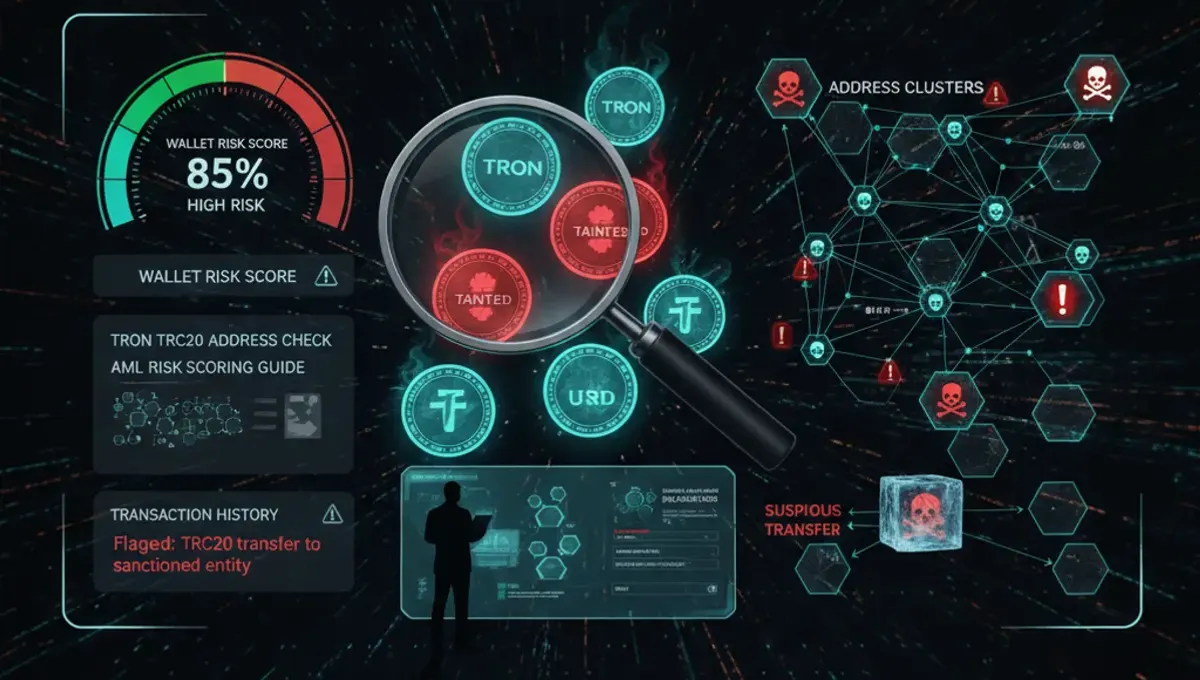
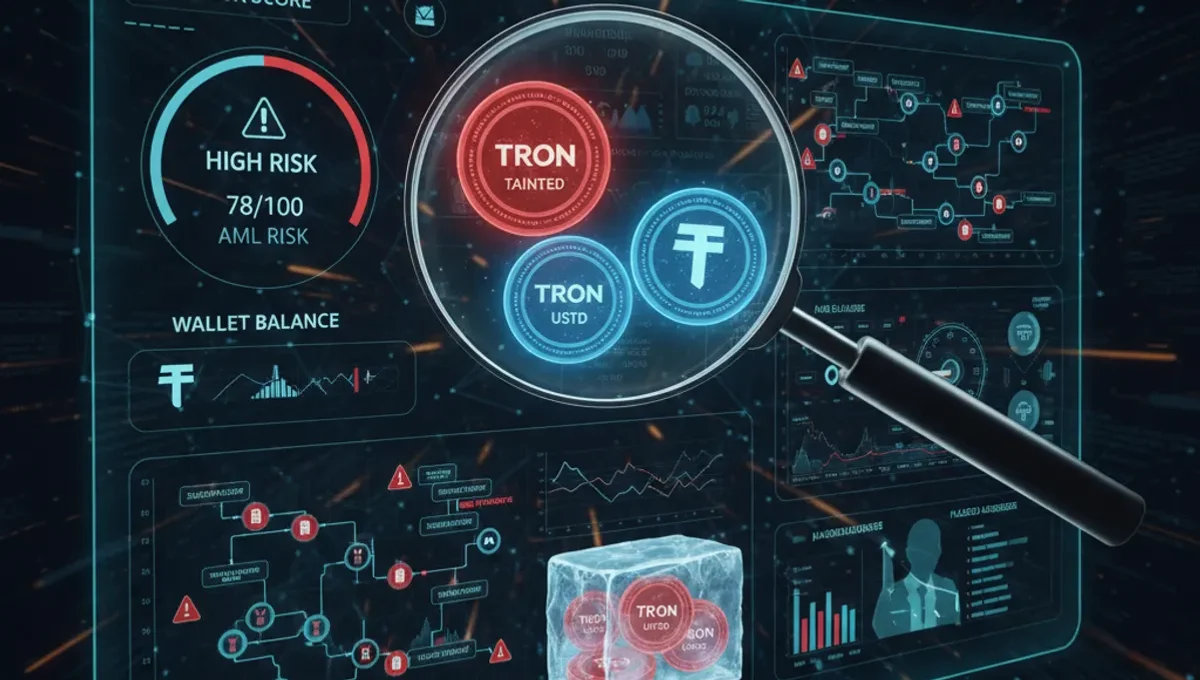
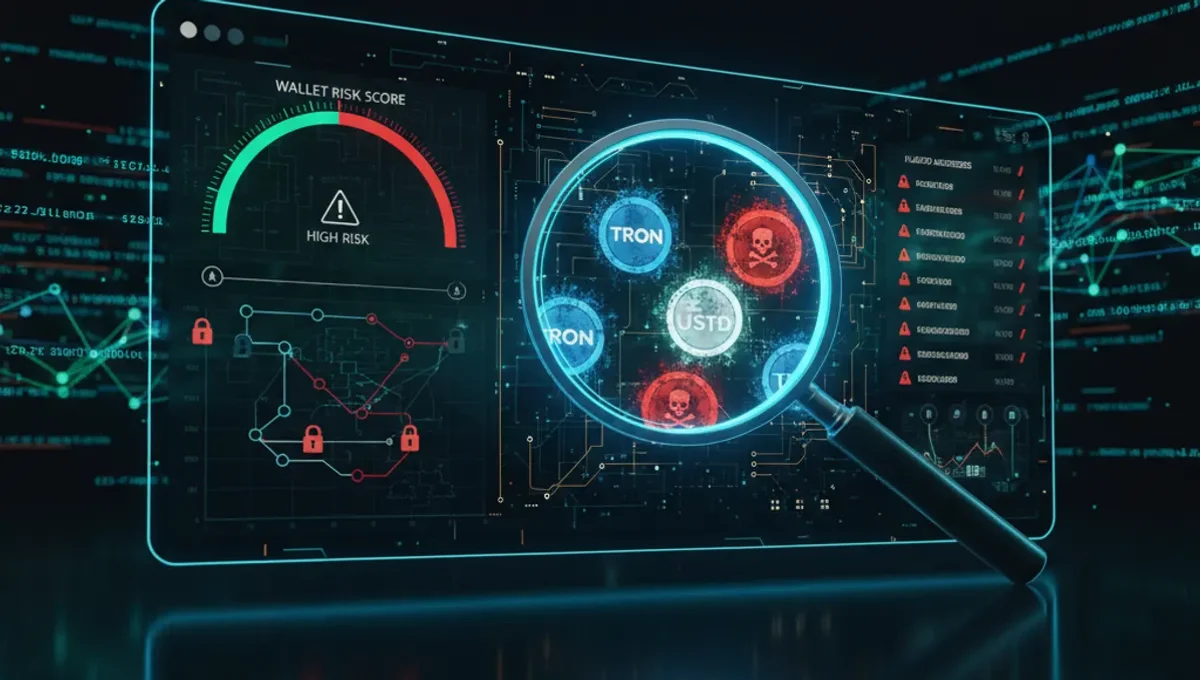
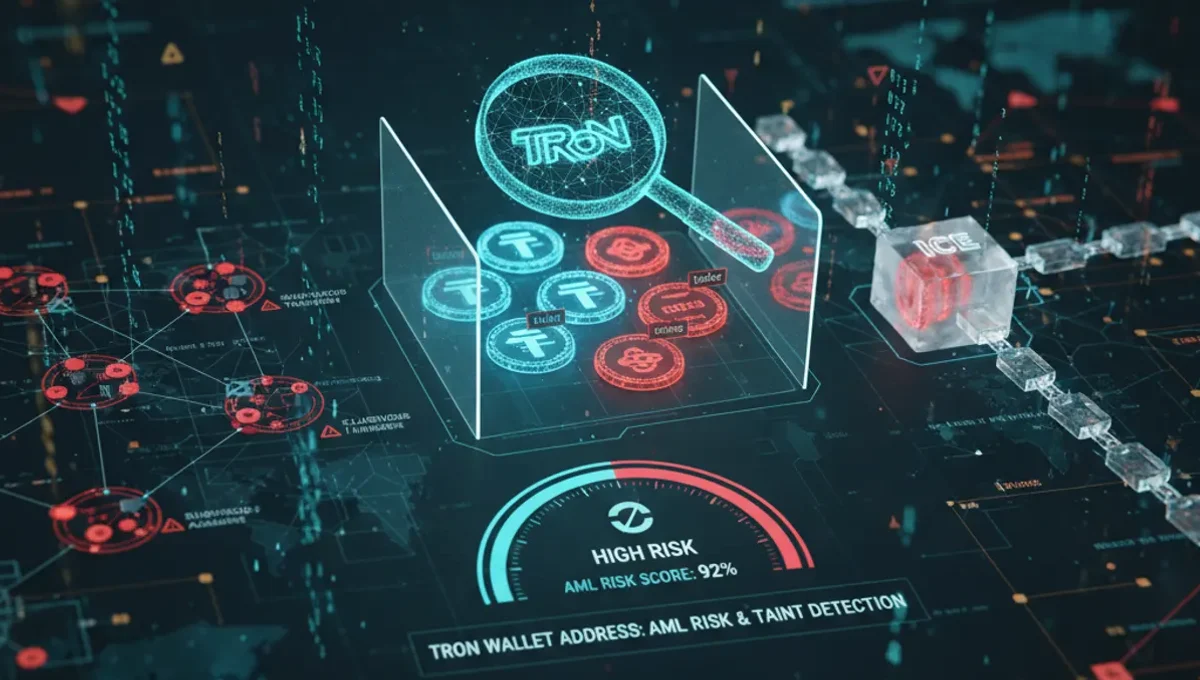
A Tron address check screens the wallet against multiple risk factors. It identifies whether the address has received funds from darknet markets, mixing services, or known theft incidents. The check also flags connections to sanctioned entities or high-risk jurisdictions. When you check a Tron wallet address, the tool generates a risk score—typically ranging from low to critical—based on transaction history and associated addresses. For TRC20 tokens like USDT on Tron, the check examines the entire transaction chain to detect if coins have been flagged as dirty or frozen by exchanges. This screening helps you avoid compliance violations and protects your exchange account from being restricted or banned.
How to Check Tron Wallet Balance and Risk Score
To check a Tron wallet address, follow these steps: First, copy the wallet address you want to verify. Second, navigate to a blockchain analytics platform that supports Tron address checks. Third, paste the address into the search field. Fourth, review the risk score and transaction history report. The report will show the wallet's balance, recent transactions, and any flagged activities. For a Tron TRC20 address check, the tool will also display token transfers and identify if USDT or other tokens have been marked as tainted. Most platforms display the risk score prominently—green indicates low risk, yellow signals medium caution, and red means high risk or known malicious activity. Some services also provide a detailed breakdown of why the address received that score, including specific mixer interactions or darknet connections.
Understanding Tron Address Risk Score Levels
Risk scores typically fall into four categories. Low risk (0–20%) means the address has clean transaction history with no known darknet or theft connections. Medium risk (21–50%) indicates some suspicious activity—perhaps minor mixer usage or transactions with flagged addresses, but not necessarily criminal. High risk (51–80%) suggests significant exposure to darknet markets, stolen funds, or sanctioned entities. Critical risk (81–100%) means the address is directly linked to known scams, ransomware, or active sanctions lists. When you check a Tron address, pay attention to the specific risk factors listed. An address flagged for mixer usage may be lower priority than one connected to a known theft. Exchange policies vary; some accept low-risk addresses, others require medium-risk or lower. Before receiving USDT or TRX, confirm your exchange's acceptable risk threshold.
Step-by-Step: How to Check a Tron Address Before Receiving Funds
Follow this process to verify a Tron wallet address before accepting a transaction:
- Request the sender's Tron address.
- Copy the address exactly—typos matter.
- Open a trusted AML screening tool that supports Tron.
- Paste the address and initiate the scan.
- Wait for the report to generate (usually seconds to minutes).
- Review the risk score and transaction history.
- Check for specific red flags: mixer interactions, darknet market connections, stolen fund markers, or sanctions list hits.
- If the risk score is acceptable for your exchange or business, proceed. If the score is high or critical, contact the sender to clarify the source of funds or decline the transaction. For TRC20 address checks, also verify that USDT or other tokens in the wallet have not been frozen or flagged by major exchanges.
Common Red Flags When Checking Tron Addresses
Several warning signs should trigger caution when you check a Tron address. Mixer exposure indicates the address has sent or received funds through privacy mixers—a common money-laundering technique. Darknet market connections mean the wallet has transacted with known illegal marketplaces. Stolen fund markers show the address received proceeds from confirmed theft or hacking incidents. Sanctions list hits mean the address belongs to or has received funds from an entity on OFAC or similar government sanctions lists. Rapid fund movement or structuring (many small transactions) can signal attempts to evade detection. Addresses with no transaction history or newly created wallets may also warrant caution, depending on your risk tolerance. When checking a Tron TRC20 address, also look for frozen USDT or other stablecoins—if an exchange has frozen tokens in that wallet, it's a strong signal of compliance issues.
What to Do If a Tron Address Check Shows High Risk
If your Tron address check reveals a high or critical risk score, you have several options. First, ask the sender to explain the flagged activity—they may have a legitimate reason for mixer usage or transactions with flagged addresses. Second, request an alternative address from the sender. Third, decline the transaction if the sender cannot provide satisfactory explanation. If you have already received tainted USDT or TRX, contact your exchange immediately to report the funds and request guidance. Many exchanges will freeze or restrict accounts that receive flagged tokens, so disclosure is better than discovery. Do not attempt to hide the transaction or move the funds quickly; this can trigger additional compliance scrutiny. If the address is linked to sanctions or known theft, you are legally obligated to report it to relevant authorities in your jurisdiction. For ongoing protection, use a trusted AML service to screen all incoming addresses before accepting funds.
Choosing a Reliable Tron Address Check Service
When selecting a tool to check a Tron wallet address, prioritize services that offer comprehensive Tron and TRC20 support, real-time updates to their risk databases, and transparent scoring methodology. Look for platforms that screen against multiple data sources: sanctions lists, darknet transaction histories, theft databases, and mixer detection. Free tools may offer basic checks but often lack depth; paid services typically provide detailed reports and historical analysis. Our curated list of verified AML services on this site includes platforms specifically tested for Tron address checking—these are trusted starting points for wallet screening. When evaluating a service, check whether it covers both TRX and USDT (TRC20), provides downloadable reports for compliance records, and offers API access if you need to screen addresses in bulk. Avoid services that make vague claims without explaining their data sources or methodology.
Frequently asked questions
How do I check if a Tron address is safe before receiving USDT?
Use an AML screening tool to scan the Tron address for risk factors like mixer exposure, darknet connections, or stolen funds. Paste the address into the platform, review the risk score and transaction history, and check whether USDT in that wallet has been flagged or frozen. If the score is low or acceptable for your exchange, the address is generally safe to receive from.
What does a high risk score mean for a Tron TRC20 address check?
A high risk score (typically 51–80%) indicates the address has suspicious activity: mixer usage, transactions with flagged addresses, or darknet exposure. Critical scores (81–100%) suggest direct links to theft, scams, or sanctions. High-risk addresses may trigger exchange account restrictions or fund freezes, so verify the sender's explanation before accepting the transaction.
Can I check a Tron wallet address balance and AML risk at the same time?
Yes. Most AML screening platforms display both the wallet's current TRX and token balance alongside the risk score and transaction history. When you check a Tron address, the report shows all recent transactions, token transfers, and flagged activities in one view, making it easy to assess both the wallet's contents and its compliance status.
What should I do if my Tron address receives tainted USDT?
Contact your exchange immediately and disclose the receipt of flagged funds. Do not attempt to hide or quickly move the tokens. Exchanges may freeze accounts that receive tainted USDT, so transparency is critical. If the funds are linked to theft or sanctions, you may be legally required to report the transaction to authorities in your jurisdiction.
Are free Tron address checks reliable for AML screening?
Free tools offer basic checks but often lack depth and real-time updates. Paid services provide comprehensive reports, historical analysis, and access to multiple data sources. For serious compliance work, use verified AML services listed on trusted platforms—they offer the accuracy and documentation needed for regulatory compliance and account protection.