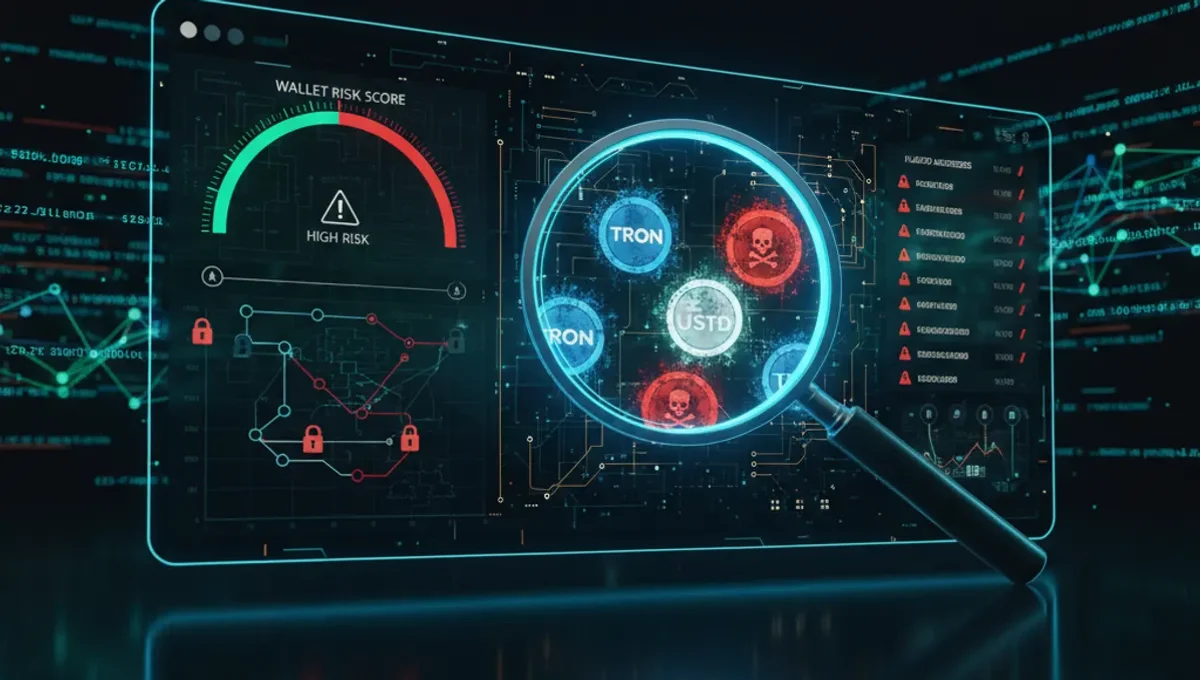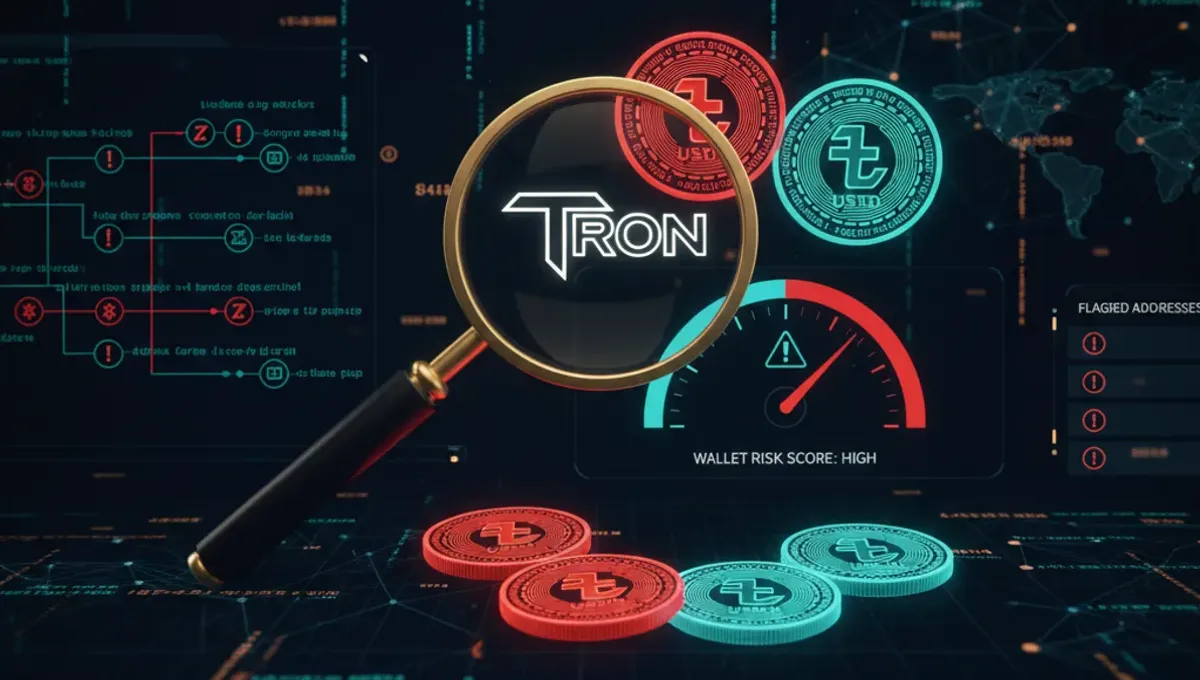
What Does It Mean to Check a Tron Wallet Address
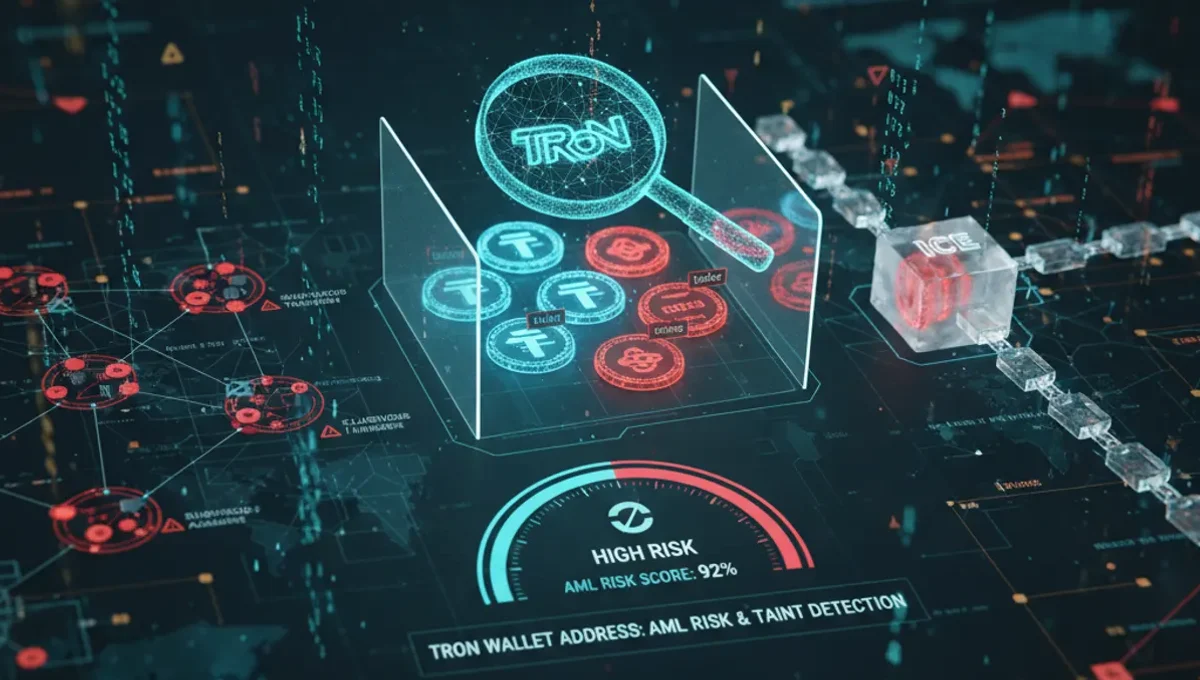
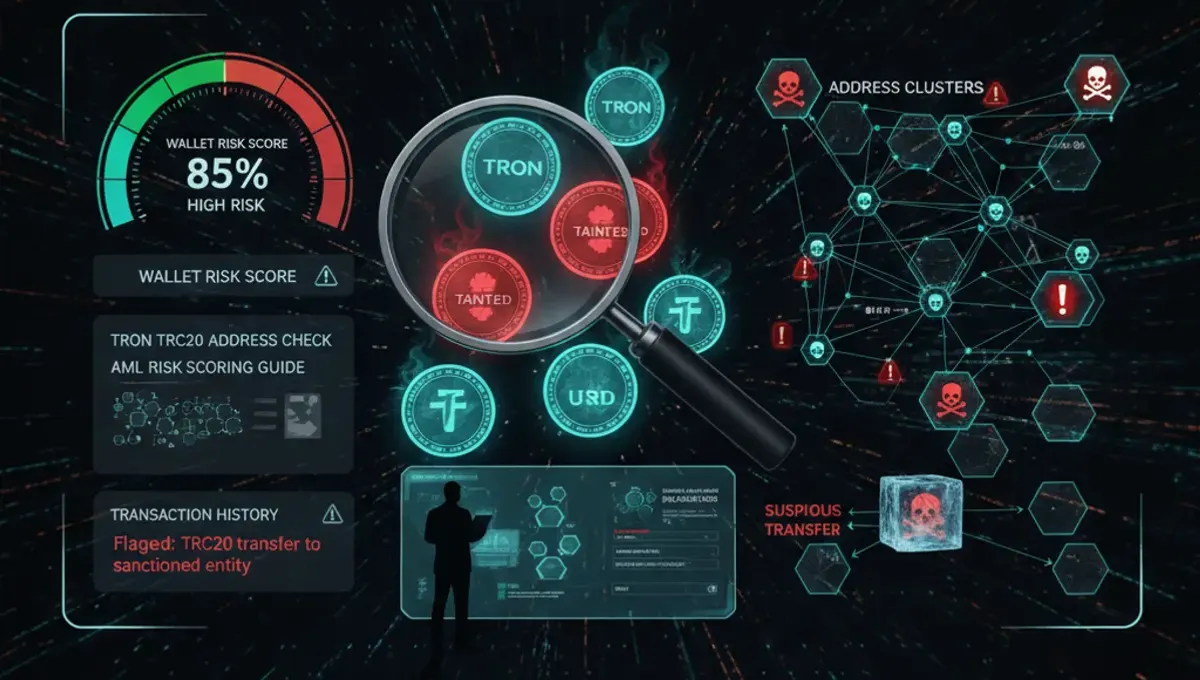
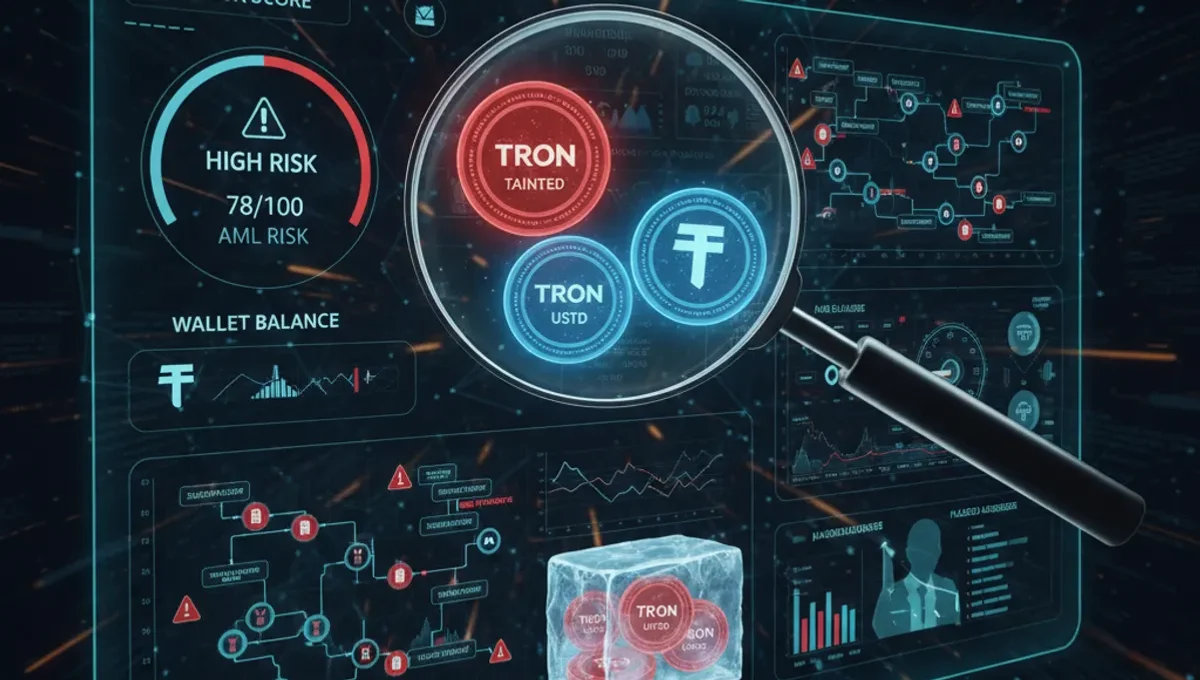
Checking a Tron wallet address means running the wallet's public key through blockchain analytics to detect risk signals. Every Tron address is a string of characters (starting with T) that holds TRX or TRC20 tokens like USDT. When you check a Tron wallet address, the service examines its transaction history, incoming and outgoing funds, and compares the address against known risk databases. This includes detection of mixing activity, darknet market connections, stolen funds, and sanctions compliance violations. The result is a risk score—typically ranging from low to critical—that tells you whether the address is safe to transact with. Legitimate businesses, exchanges, and compliance teams use Tron address checks before accepting large transfers or onboarding new counterparties.
How to Check Tron Wallet Balance and Transaction History
To check a Tron wallet balance, you can use a public blockchain explorer like Tronscan without needing any special tool. Simply paste the Tron address into the search bar, and you'll see the current TRX balance, TRC20 token holdings, and a full transaction log. However, a balance check alone does not reveal risk. To check Tron wallet address safety, you need an AML screening service that goes beyond balance data. These services analyze where the funds came from, whether the address has interacted with known mixers or darknet markets, and whether it appears on sanctions lists. The difference is critical: Tronscan shows you what's in the wallet; an AML service tells you whether those funds are clean or flagged for compliance risk.
Step-by-Step: How to Check a Tron TRC20 Address for Risk
Follow these steps to check a Tron TRC20 address:
- Identify the Tron address you want to screen (it starts with T and is 34 characters long).
- Visit a trusted AML screening service from our verified AML Services list on this site.
- Paste the address into the search field.
- Review the risk score and detailed report, which typically includes: - Sanctions list matches - Mixer and tumbler activity - Darknet market exposure - Scam and theft reports - Gambling platform links - Transaction patterns and age of the address
- Assess the risk level against your compliance threshold.
- If the score is acceptable, proceed with the transaction; if flagged, decline or investigate further.
Most services return results in seconds. Some offer free basic checks with limited data; others charge per lookup or offer subscription plans for high-volume screening. The verified services listed on our AML Services page are vetted for accuracy and compliance standards.
Understanding Tron Address Risk Scores and What They Mean
A Tron address risk score is a numerical or categorical rating that reflects the likelihood of compliance or legal problems. Risk levels typically break down as follows:
- Low (0–20%): No known risk signals; safe to receive.
- Medium (21–50%): Minor flags such as age of address or low transaction volume; acceptable for most use cases.
- High (51–80%): Significant risk signals such as mixer interaction or scam reports; requires investigation before accepting.
- Critical (81–100%): Sanctions list match, darknet market connection, or stolen funds; do not transact.
Risk scores are not absolute; they reflect the data available at the time of the check. An address with no history may score low simply because it's new, while an old address with legitimate activity might score medium due to historical mixer use. Always read the detailed report, not just the score. Different organizations set different thresholds—a crypto exchange might reject anything above 30%, while a peer-to-peer trader might accept up to 50% if the transaction is small.
What Happens When a Tron Address Is Flagged as Tainted
If a Tron address is flagged as tainted—meaning it has received stolen funds, scam proceeds, or sanctioned entity money—several consequences can follow. First, exchanges may freeze your account if you deposit USDT or TRX from a flagged address. This is not a technical lock; it's a compliance hold triggered by the exchange's AML monitoring. Second, you may face regulatory scrutiny if you knowingly receive sanctioned funds. Third, if the funds are later traced to a crime, you could be implicated even if you were unaware of the source. To protect yourself, always check a Tron wallet address before accepting a large transfer. If you receive tainted coins, do not attempt to mix or launder them; instead, contact the exchange or law enforcement. Some exchanges offer a path to unfreeze accounts if you can prove you received the funds unknowingly and cooperate with investigations.
Why Exchanges Freeze USDT and TRX Wallets
Exchanges freeze Tron wallets holding USDT or TRX for compliance reasons. When you deposit funds from a flagged address, the exchange's AML monitoring system detects the risk and locks the account pending review. This is not a bug; it's a legal requirement under anti-money laundering regulations. Exchanges are required by law to screen incoming transactions and block those linked to sanctions, terrorism financing, or stolen assets. If your account is frozen, the exchange will typically ask for documentation proving the source of funds. You may need to provide proof of purchase, employment, inheritance, or a legitimate business transaction. The review can take days to weeks. To avoid this, check a Tron address before sending funds to an exchange. Use the verified AML services on our site to screen both your own wallet and any address you're receiving from.
Best Practices: Checking Tron Addresses Before Receiving Funds
Before accepting a Tron transfer, follow these best practices:
- Ask for the sender's Tron address in advance.
- Run a Tron address check through a trusted AML service.
- Review the risk score and detailed findings.
- If the score is acceptable, confirm the transfer amount and timing with the sender.
- After receiving funds, do not immediately move them to an exchange; wait 24–48 hours and re-check the address if the amount was large.
- Keep records of your AML checks for compliance documentation.
- If you operate a business, establish a threshold (e.g., reject anything above 50% risk) and document your policy.
For businesses and high-volume traders, consider a subscription to an AML service for continuous monitoring. Our curated list of verified AML services includes options for individuals and enterprises. Start there to find a service that matches your volume and budget.
Frequently asked questions
Can I check a Tron address for free
Some AML services offer free basic checks with limited data, such as a simple risk score without detailed findings. For comprehensive screening including sanctions lists, mixer detection, and darknet exposure, most services charge per lookup or require a subscription. Our verified AML Services page lists both free and paid options so you can compare.
What is a TRC20 address and how is it different from a Tron address
A Tron address is the wallet itself; a TRC20 address is a Tron address that holds TRC20 tokens (like USDT). TRC20 is the token standard on the Tron blockchain. When you check a Tron TRC20 address, you're screening the same wallet for risk, whether it holds TRX, USDT, or other TRC20 tokens. The check method is identical.
How long does it take to check a Tron wallet address
Most AML screening services return a risk score and report within seconds to a few minutes. The speed depends on the service's database size and server load. Real-time checks are standard for reputable providers. If a service takes hours or days, it may be using outdated data or processing manually.
What should I do if my Tron address is flagged as high risk
First, review the detailed report to understand why it was flagged. If the flag is due to age or low activity, it may not be a concern. If it's due to mixer use or scam reports, investigate the transaction history. If you believe the flag is incorrect, contact the AML service. If your exchange account is frozen, provide proof of the fund source to the exchange's compliance team.
Do I need to check a Tron address if I'm sending funds, or only when receiving
You should check a Tron address when receiving funds to avoid tainted coins. When sending, you should verify the recipient's address is correct to avoid sending to a scam wallet. Checking the recipient's address for risk is optional but recommended for large transfers. Always verify the address format matches (starts with T, 34 characters) before confirming a send.