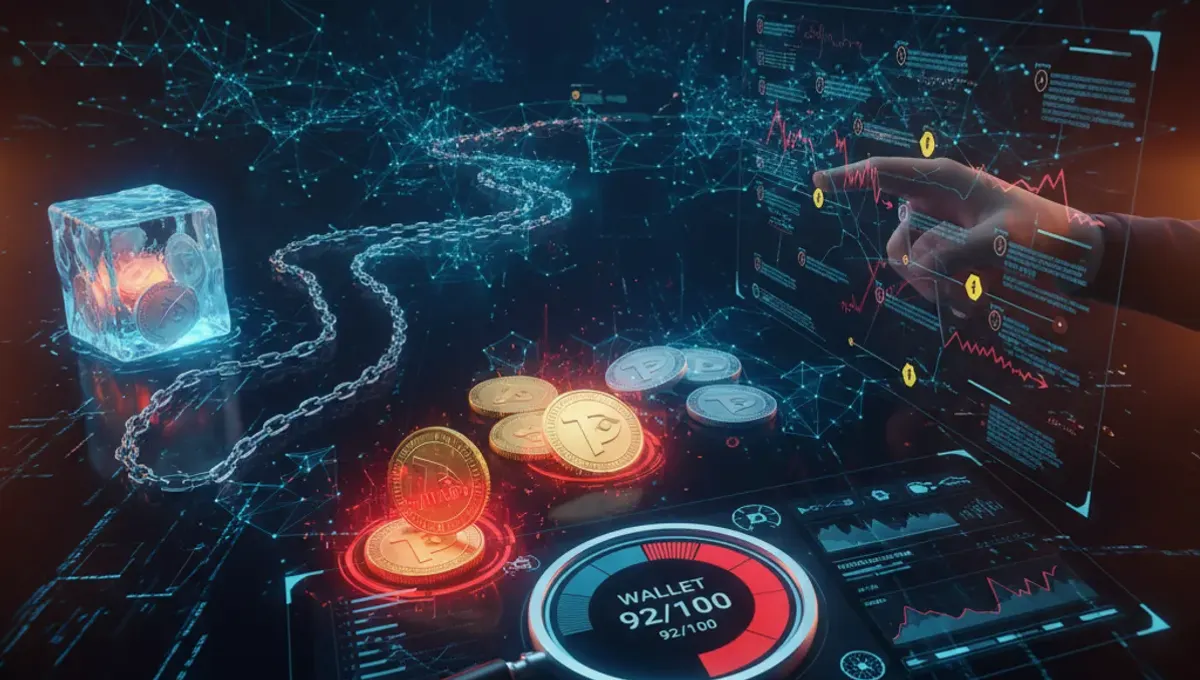
What Is a Red Flag in AML and Why It Matters in Crypto
A red flag in AML is any pattern, transaction, or behavior that suggests potential money laundering, terrorist financing, or sanctions evasion. In cryptocurrency, red flags differ from traditional banking because transactions are pseudonymous and move across borders instantly. Blockchain analytics firms monitor on-chain activity to detect these patterns. Common AML red flags include: funds moving through multiple wallets in short timeframes, deposits from known darknet markets or mixing services, transactions to or from sanctioned jurisdictions, sudden large transfers to exchange wallets, and addresses linked to scams or theft. When an exchange or compliance system detects red flags, it may freeze your account, reject deposits, or flag your USDT or BTC as tainted. Understanding these signals helps you avoid receiving compromised coins and protects your ability to trade freely.
Common Cryptocurrency Money Laundering Red Flags
Cryptocurrency money laundering red flags fall into several categories that blockchain analysts track:
1. Mixer and Tumbler Usage: Funds passing through coin mixers or privacy services designed to obscure transaction trails. These services are often used to launder stolen or illicit funds.
2. Darknet Market Exposure: Addresses that have received or sent funds to known darknet marketplace wallets. Darknet markets facilitate illegal goods and services.
3. Rapid Wallet Hopping: Funds moving between multiple wallets in minutes or hours, suggesting an attempt to obscure the source or destination.
4. Sanctioned Entity Transactions: Any transaction involving addresses linked to sanctioned countries, individuals, or organizations flagged by OFAC or similar bodies.
5. Stolen Funds: Coins traced back to exchange hacks, wallet thefts, or ransomware payments.
6. Gambling and High-Risk Services: Repeated deposits to or from gambling platforms, especially when combined with other suspicious patterns.
7. Scam-Linked Addresses: Wallets associated with Ponzi schemes, rug pulls, or phishing campaigns.
Each flag increases the AML risk score of an address. A single flag may not trigger an alert, but multiple flags together signal high risk.
How AML Risk Scoring Works for Crypto Wallets
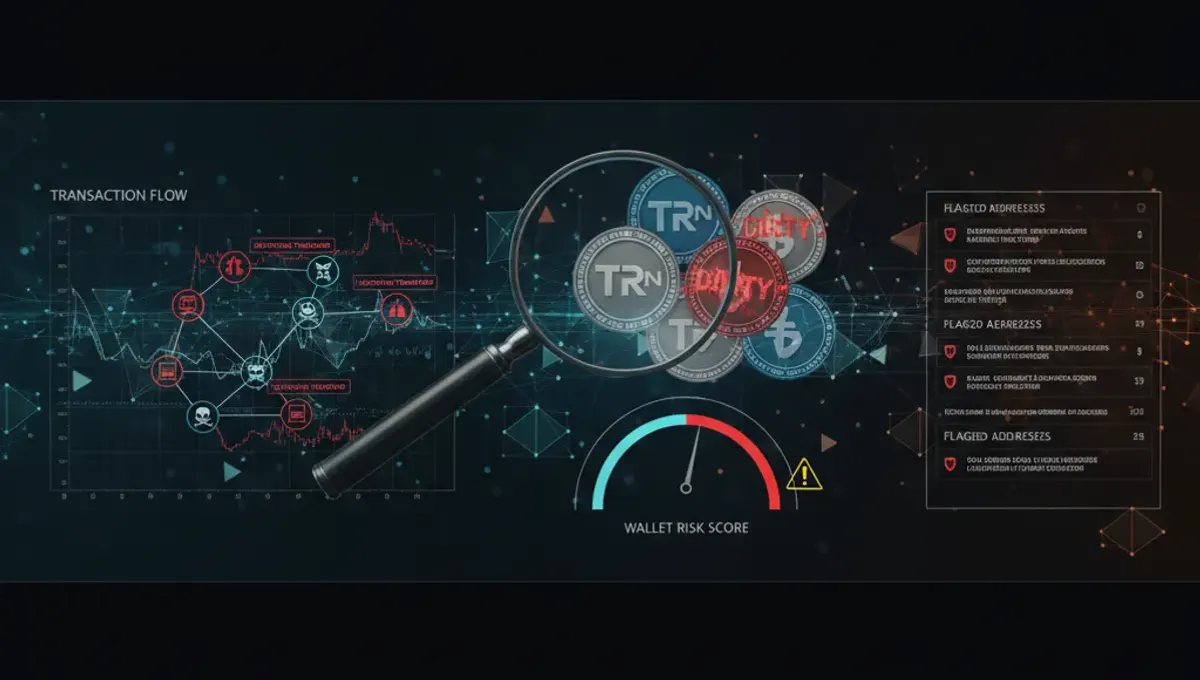
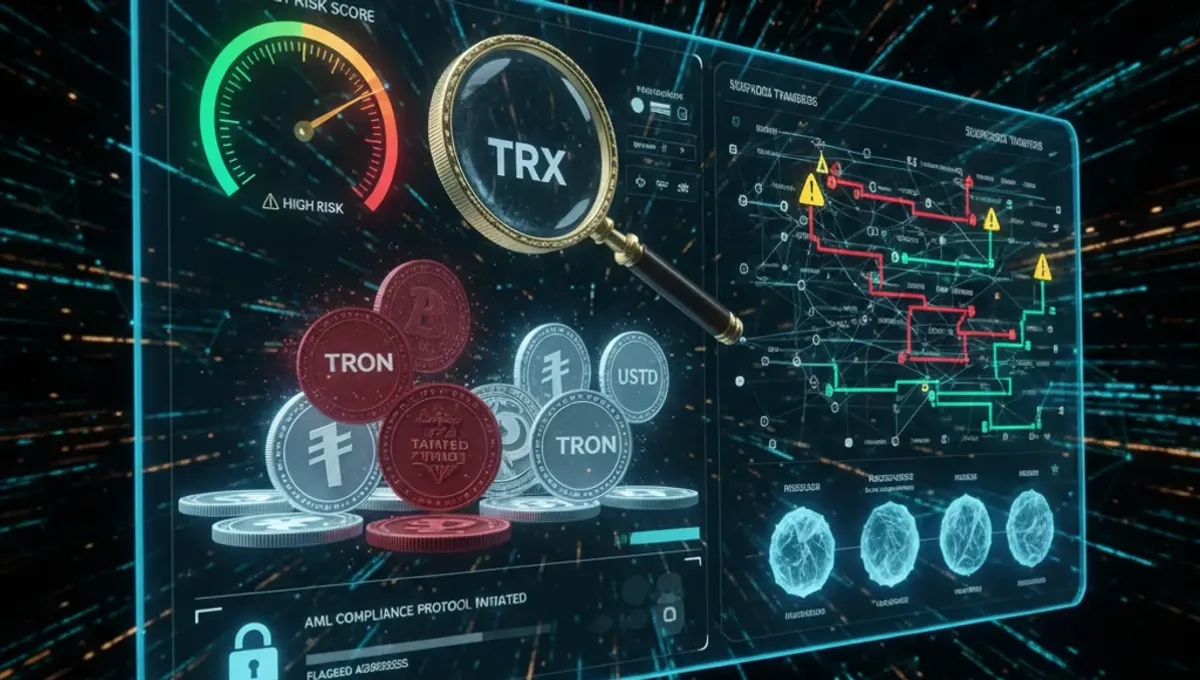
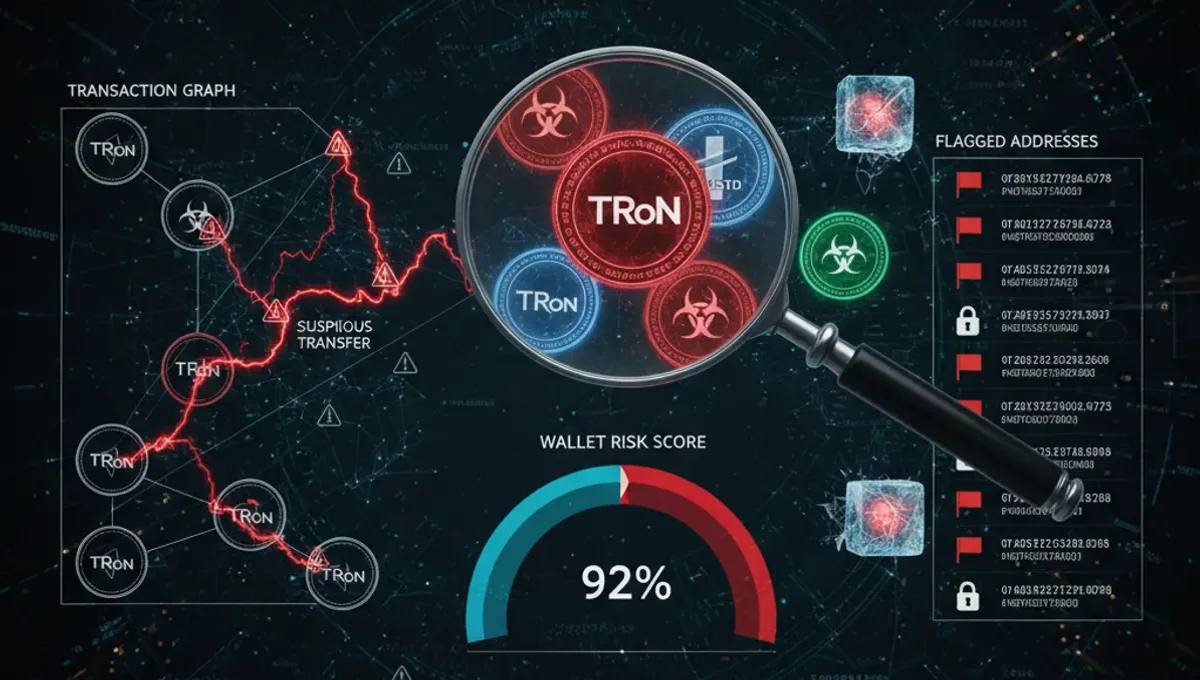
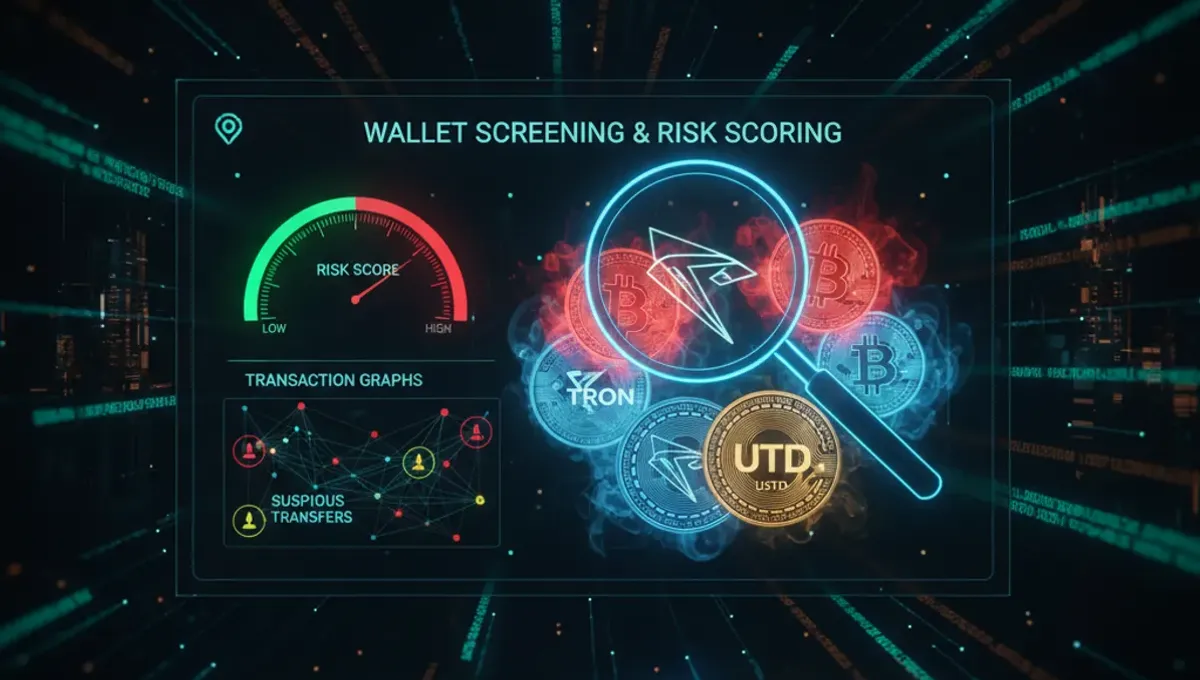
AML risk scoring is a numerical assessment of how likely a wallet or transaction is to be involved in illicit activity. Blockchain analytics platforms assign risk scores based on transaction history, wallet behavior, and known associations. Most systems use a scale from 0 to 100 or low/medium/high/critical categories.
Factors that increase a wallet's AML risk score include: direct transactions with known illicit addresses, use of privacy mixers, rapid fund movement patterns, dormant wallets suddenly becoming active with large transfers, and clustering with other high-risk wallets. Factors that lower risk include: long transaction history with legitimate exchanges, consistent patterns, and no known illicit associations.
When you receive crypto, the sender's wallet risk score matters. If you accept USDT or BTC from a high-risk address, your own wallet may inherit some of that risk. Exchanges use AML risk scores to decide whether to accept deposits, freeze accounts, or require additional KYC verification. A score above a certain threshold—often 70 or higher—can trigger an AML check fee or account review. Understanding your wallet's risk score before depositing to an exchange helps you avoid surprises.
How to Check a Wallet Before Receiving Crypto
Before accepting USDT, BTC, TRX, or ETH from an unknown sender, verify the wallet's AML risk score. Here's a practical approach:
1. Ask for the wallet address or transaction ID from the sender.
2. Visit a trusted AML check service (our curated AML Services list includes verified providers that offer wallet screening for TRX, USDT, and BTC addresses).
3. Enter the wallet address into the screening tool.
4. Review the risk score and any flagged associations. Look for darknet exposure, mixer usage, or sanctioned entity links.
5. Check the transaction history. Does the wallet show legitimate exchange activity, or rapid fund movement through multiple addresses.
6. Decide your threshold. If the risk score is below 30, the wallet is generally safe. Scores 30–60 warrant caution; scores above 60 suggest significant risk.
7. If risk is high, decline the transaction or ask the sender to use a different wallet.
Many AML check services offer a free tier that screens one or two addresses monthly. For frequent checks, paid plans provide unlimited wallet screening and detailed reports. The AML check fee typically ranges from a few dollars per check to monthly subscriptions for businesses.
What to Do If Your Coins Are Flagged as Tainted
If you receive or hold crypto flagged as tainted—meaning it's linked to theft, sanctions, or darknet activity—your options depend on the severity and your jurisdiction. Tainted coins can cause serious problems: exchanges may freeze your account, reject deposits, or require extensive documentation to prove you didn't knowingly receive illicit funds.
Immediate steps:
1. Do not move the coins to an exchange immediately. This may trigger additional scrutiny.
2. Run an AML check on the wallet holding the coins to confirm the risk level and see what specific flags are present.
3. Document the source. If you received the coins legitimately (payment for work, gift, etc.), keep records of the transaction and sender.
4. Contact the exchange or service where you plan to deposit the coins. Explain the situation and provide documentation of the legitimate source.
5. Consider using a compliance-focused exchange that specializes in handling flagged coins. Some platforms have procedures to accept tainted coins with proper documentation.
6. If the coins are linked to a known theft or sanction, do not attempt to move them. Possession of sanctioned funds can have legal consequences.
In most cases, if you received the coins unknowingly and can prove legitimate intent, exchanges will work with you. However, the process may take weeks and require an AML check fee or additional KYC verification.
Acceptable AML Risk Score Thresholds and Best Practices
Most compliance professionals and exchanges use these risk score thresholds as guidelines:
0–20: Very Low Risk. Safe to accept and deposit to most exchanges without additional scrutiny.
21–50: Low to Moderate Risk. Acceptable for most users, but exchanges may request additional documentation or run an AML check fee-based review.
51–75: Moderate to High Risk. Exchanges may freeze deposits pending investigation. You may need to prove the source of funds.
76–100: Critical Risk. Most exchanges will reject deposits outright. Possession of these coins carries legal and compliance risk.
Best practices to avoid red flags:
1. Use established exchanges for all transactions. Avoid peer-to-peer trades with unknown parties.
2. Never use mixing services or privacy coins if you plan to deposit to regulated exchanges.
3. Keep transaction records. If questioned, you'll need to prove the source and legitimacy of your funds.
4. Screen wallets before accepting large transfers. Use the AML check services listed on our verified AML Services page.
5. Avoid receiving funds from darknet markets, gambling sites, or known scam addresses.
6. If you're a business, implement transaction monitoring and regular AML checks on incoming payments.
Why Exchanges Freeze USDT and BTC Accounts
Exchanges freeze accounts when they detect cryptocurrency AML red flags or high-risk activity. A freeze is a temporary or permanent hold on your ability to withdraw, deposit, or trade. Freezes happen for several reasons:
1. Tainted Coin Detection: You deposit USDT or BTC linked to theft, sanctions, or darknet activity. The exchange's compliance system flags it and freezes the account pending investigation.
2. Sanctions Screening: Your wallet address or the sender's address matches a sanctions list (OFAC, UN, EU, etc.). Exchanges must comply with sanctions regulations.
3. Unusual Activity Patterns: Rapid deposits and withdrawals, large transfers to high-risk addresses, or activity inconsistent with your account history trigger automated alerts.
4. KYC Mismatch: Your submitted identity documents don't match your transaction patterns or the source of funds.
5. AML Check Fee Disputes: You refuse to pay an AML check fee or provide documentation when requested.
When an account is frozen, you typically receive a notification explaining the reason. You can appeal by providing documentation of the legitimate source of your funds. The process can take days to weeks. To avoid freezes, screen wallets before accepting transfers, use reputable exchanges, and maintain clear records of all transactions.
Frequently asked questions
What are the main cryptocurrency money laundering red flags I should know about?
The main red flags are: use of coin mixers, transactions with darknet markets, rapid fund movement between wallets, involvement with sanctioned entities, links to stolen funds or scams, and unusual gambling activity. Any single flag may not trigger an alert, but multiple flags together signal high risk and can result in account freezes or rejected deposits.
How much does an AML check cost and when do I need to pay an AML check fee?
Many AML check services offer free screening for one or two addresses monthly. Paid plans range from a few dollars per check to monthly subscriptions for businesses. Exchanges may charge an AML check fee when they investigate flagged accounts or require additional compliance review. The fee depends on the service and the complexity of the review.
What should I do if I receive USDT or BTC with a high AML risk score?
First, run an AML check to confirm the risk level and see what flags are present. Document the legitimate source of the transfer if possible. Do not immediately deposit to an exchange; contact them first to explain the situation and provide documentation. Some exchanges have procedures to accept flagged coins with proper proof of legitimate intent.
Can I get my frozen crypto back if my account is flagged for AML red flags?
Yes, in most cases. If you received the coins unknowingly and can prove legitimate intent with documentation, exchanges will typically work with you. The process may take weeks and require additional KYC verification or an AML check fee. If the coins are linked to sanctions or known theft, recovery is unlikely and may carry legal risk.
What AML risk score is considered safe for receiving crypto?
Scores 0–20 are very low risk and safe for most transactions. Scores 21–50 are acceptable but may trigger additional exchange review. Scores above 50 carry moderate to high risk and may result in deposit rejection or account freezes. Always screen wallets before accepting large transfers using verified AML check services.