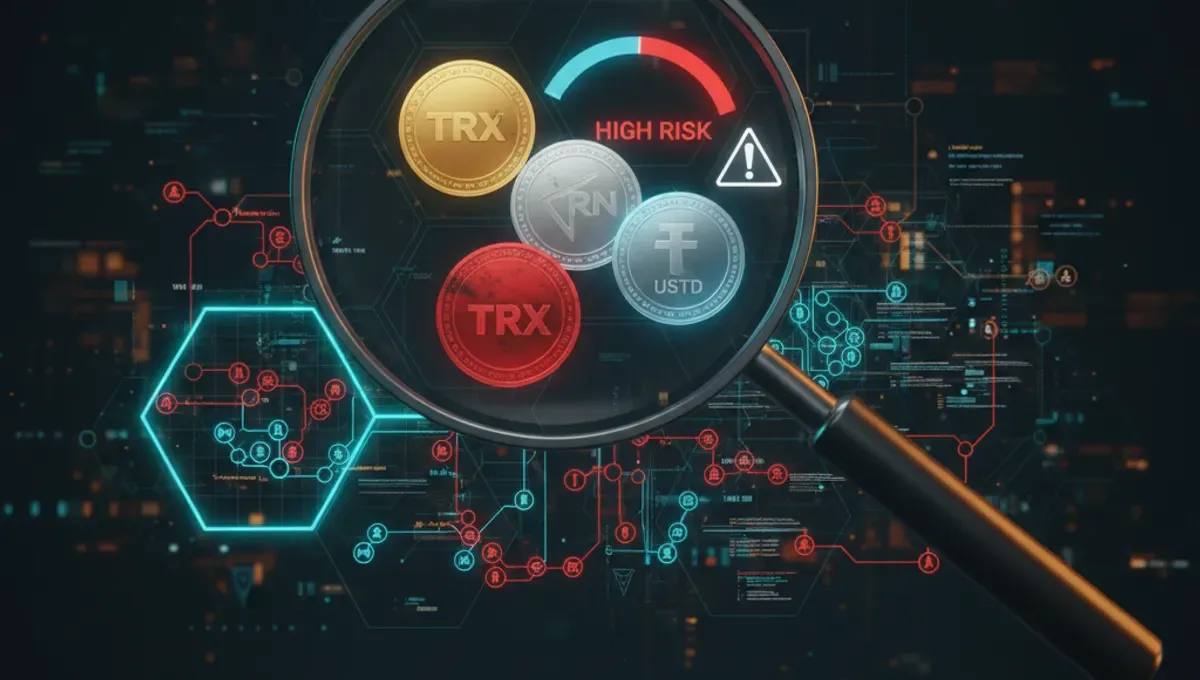
What Is a Crypto AML Check and Why Does It Matter?
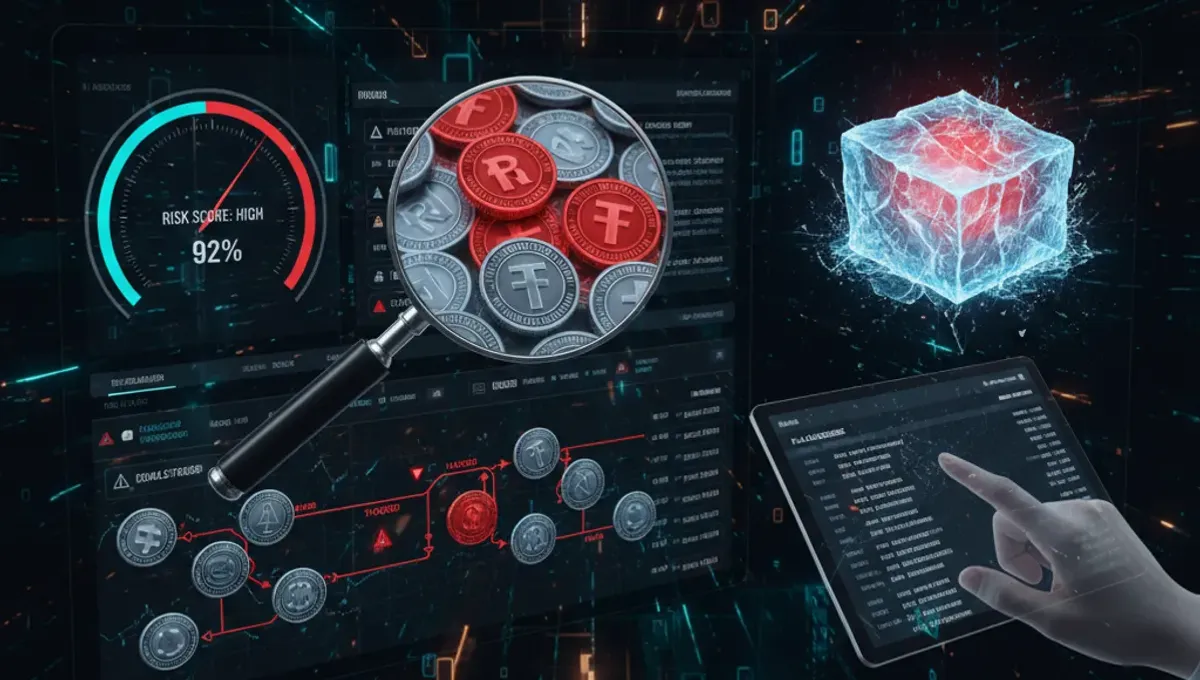
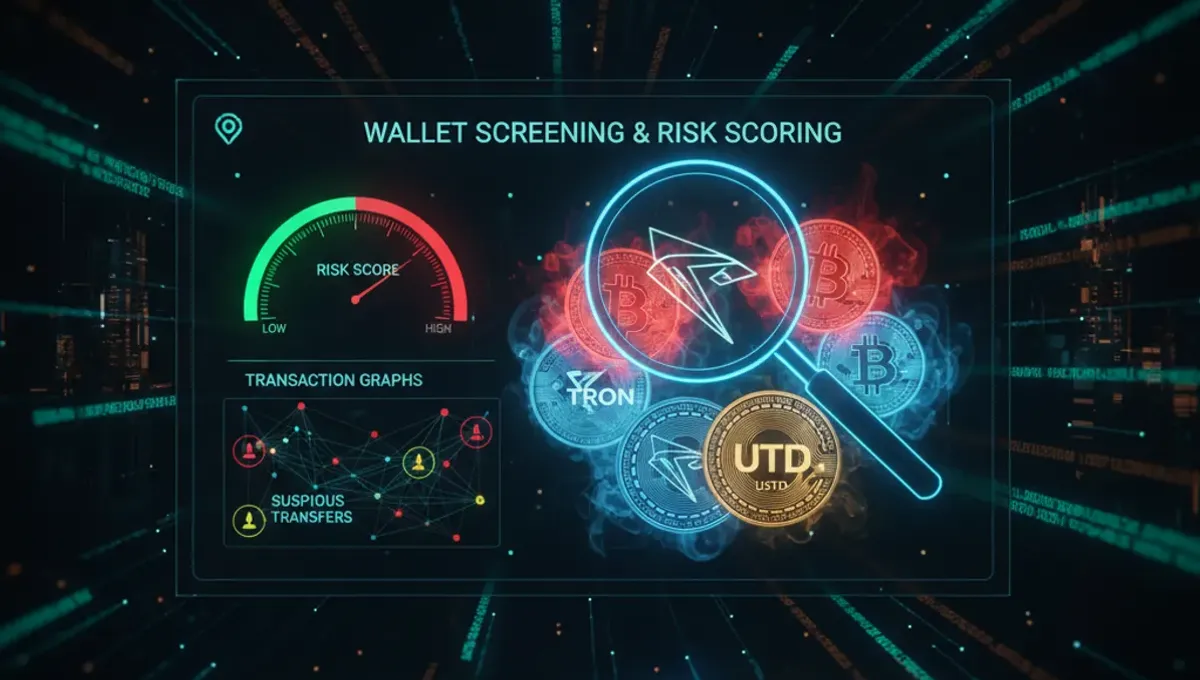
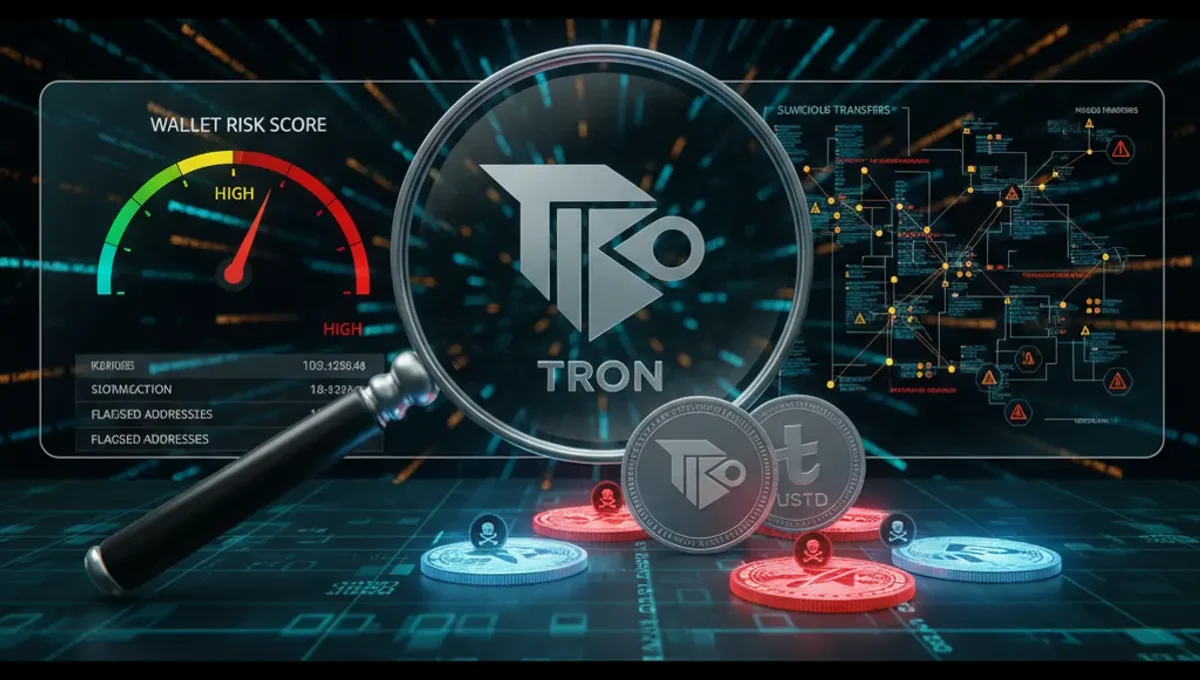
An AML check crypto service examines a wallet address on the blockchain to identify risk factors tied to money laundering, sanctions violations, and criminal activity. The check compares transaction history against known darknet markets, mixing services, stolen fund databases, and OFAC sanctions lists. When you receive USDT or TRX from an unknown sender, a quick AML check reveals whether those coins carry compliance risk. Exchanges and payment processors use this screening to prevent account freezes and regulatory penalties. For individuals, an AML crypto check free tool protects you from unknowingly holding tainted coins that could trigger account restrictions or delayed withdrawals. The process is transparent: the system assigns a risk score based on transaction patterns, source addresses, and historical exposure to illicit activity.
How Does AML Scoring Work for Crypto Wallets?
An AML risk score reflects the likelihood that a wallet or transaction is connected to illicit activity. Scoring systems analyze several factors:
- Direct exposure to known darknet markets or mixing services,
- Proximity to sanctioned entities or stolen fund clusters,
- Transaction velocity and pattern anomalies,
- Age and activity history of the address,
- Clustering with high-risk counterparties. Risk scores typically range from 0 (clean) to 100 (severe risk). A score below 20 is generally acceptable for most exchanges and merchants. Scores between 20–50 warrant caution; the wallet may have minor exposure to risky services but is not directly flagged. Scores above 50 indicate significant darknet or sanctions exposure and will likely trigger exchange holds or KYC rejections. The AML check crypto wallet process flags specific risk categories: mixer usage, darknet market deposits, stolen funds, gambling site proceeds, and sanctioned entity transfers. Understanding your score helps you decide whether to accept a payment or investigate the sender further.
Step-by-Step: How to Run an AML Check Crypto Wallet Online
Follow these steps to check a TRX, USDT, BTC, or ETH address for AML risk:
- Copy the wallet address you want to verify.
- Visit a trusted AML screening service—check our curated list of verified AML services on this site for reliable options.
- Paste the address into the search field.
- Select the blockchain (Tron for TRX/USDT, Bitcoin for BTC, Ethereum for ETH).
- Click 'Check' or 'Scan.'
- Review the risk score and detailed report within seconds. The report shows transaction history, connected addresses, and specific risk flags (e.g., 'Mixer exposure,' 'Darknet market deposit'). If the score is low (under 20), the wallet is generally safe to receive funds from. If the score is elevated, investigate further: ask the sender about the transaction source, or decline the payment. For businesses, run AML checks on all incoming payments above a threshold amount. For individuals, check before accepting large transfers from new contacts.
What Risk Score Levels Mean and When to Act
Risk scores guide your decision on whether to proceed with a transaction. A score of 0–15 indicates a clean wallet with no known exposure to illicit activity; safe to transact. A score of 15–30 suggests minor risk: the wallet may have interacted with mixers or risky services but is not directly flagged; acceptable for most use cases but monitor further activity. A score of 30–50 indicates moderate risk: the address has documented exposure to darknet markets, stolen funds, or sanctions-adjacent activity; many exchanges will flag this for manual review or reject it outright. A score above 50 is severe: direct darknet market exposure, sanctions violations, or stolen fund clustering; expect exchange account freezes, failed KYC, and potential legal scrutiny. If you receive USDT or TRX flagged as tainted (score above 50), do not deposit it to an exchange. Contact the sender to clarify the source. If the coins came from a scam or theft, report it to the platform where you received them. For compliance-sensitive businesses, set your acceptable threshold at 20 or lower to minimize regulatory risk.
What Happens If Your Crypto Is Flagged as Tainted?
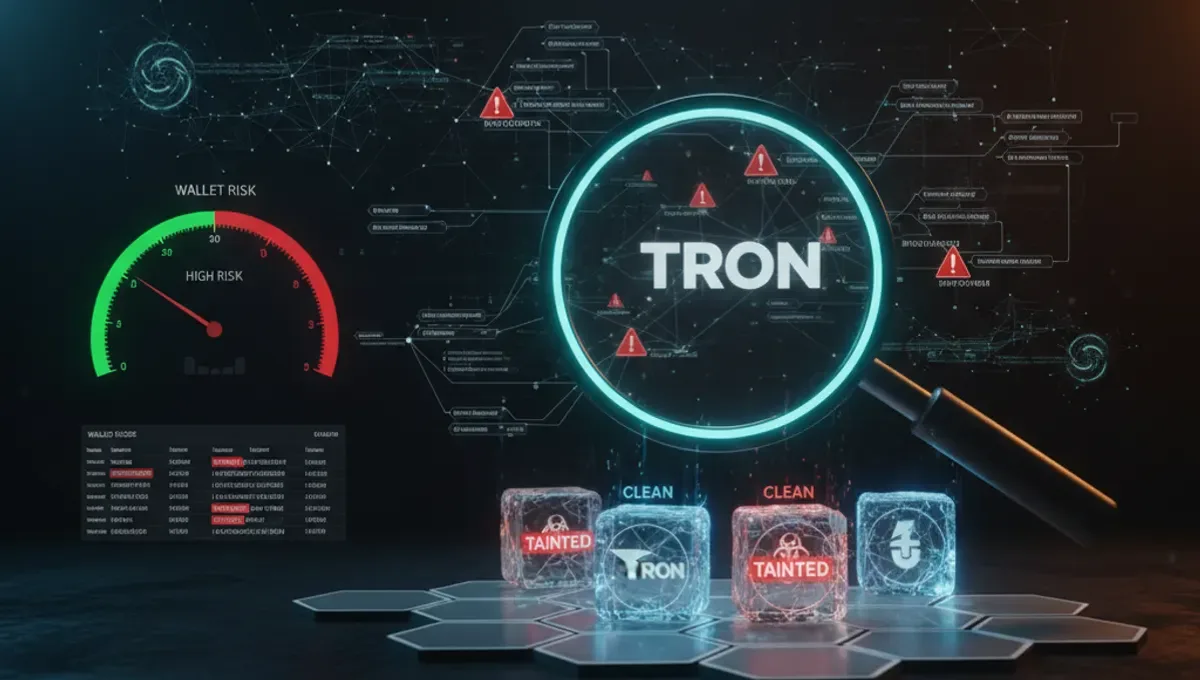
If an AML check flags your coins as tainted, several outcomes are possible. Exchanges may freeze your account during review, delaying withdrawals for days or weeks. Your KYC verification may be rejected, preventing you from trading or withdrawing funds. In severe cases, the exchange may permanently close your account and report the activity to financial authorities. Frozen USDT or BTC is difficult to recover; the exchange holds it pending investigation. To avoid this:
- Before accepting large payments, run an AML crypto check on the sender's address.
- Ask the sender about the transaction source if the risk score is elevated.
- If you unknowingly receive tainted coins, do not move them to an exchange immediately.
- Contact the exchange's compliance team to explain the situation and provide evidence of the legitimate source.
- Consider using a KYT (Know Your Transaction) service to monitor your wallet for ongoing risk. Tainted coins can originate from mixers (privacy services that obscure transaction trails), darknet markets, gambling sites, or stolen fund clusters. Understanding the source helps you respond appropriately and reduces future compliance risk.
Free vs. Paid AML Crypto Check Services: What's the Difference?
Free AML check crypto tools provide basic risk scoring and limited transaction history. They are useful for quick screening of a single address but may not include detailed darknet exposure analysis or sanctions list cross-referencing. Paid services offer comprehensive reports: full transaction clustering, historical risk analysis, sanctions entity matching, and API access for batch checking. For individuals, a free AML check crypto wallet tool is sufficient for occasional verification before receiving payments. For businesses processing multiple transactions daily, a paid service with API integration and real-time alerts is essential. Our site curates a list of verified AML services—both free and paid—so you can compare features, pricing, and accuracy before choosing. Start with a free check to assess risk; if you need detailed compliance reporting or ongoing monitoring, upgrade to a paid plan. Many services offer tiered pricing: basic checks are free, while advanced reports and API access require subscription.
How to Avoid Receiving Tainted Coins and Maintain Clean Wallets
Protecting yourself from tainted coins requires proactive screening and careful transaction habits. Before accepting any large payment in USDT, TRX, BTC, or ETH, run an AML check crypto wallet scan on the sender's address. Set a personal risk threshold (e.g., reject any score above 25) and stick to it. Ask new contacts about the source of their funds; legitimate senders can explain their transaction history. Use only reputable exchanges and payment processors that conduct their own AML screening. Avoid mixing services, darknet markets, and gambling platforms—these are the primary sources of tainted coins. If you receive suspicious payments, do not move them to an exchange; report them to the sender and your wallet provider. For ongoing protection, monitor your wallet using a KYT service that alerts you to incoming high-risk transactions. Keep transaction records and be prepared to explain your wallet activity to exchanges during KYC reviews. Clean wallets have lower risk scores, faster exchange approvals, and fewer account freezes. Consistent AML checking is the simplest way to maintain compliance and avoid frozen USDT or delayed withdrawals.
Frequently asked questions
How long does a crypto AML check take?
Most AML checks complete in seconds to a few minutes. The system scans the address against sanctions lists and darknet databases, then generates a risk score and report. Real-time checks are standard; batch checks for multiple addresses may take longer depending on the service.
Can I run a free AML check crypto wallet?
Yes. Many services offer free AML crypto checks for single addresses. Free checks provide basic risk scoring and transaction history. For detailed compliance reports, batch checking, or API access, paid plans are available. Start with a free check to assess risk before upgrading.
What does a high AML risk score mean for my USDT or TRX?
A high score (above 50) indicates the coins have exposure to darknet markets, stolen funds, or sanctions violations. Exchanges will likely freeze your account or reject the deposit. Do not send flagged coins to an exchange; investigate the source and contact the sender for clarification.
Will an AML check reveal my identity?
No. An AML check scans only the blockchain address and its transaction history. It does not identify the wallet owner unless that information is already public or linked to an exchange account. Your privacy is protected during the screening process.
What should I do if my wallet is flagged as high-risk?
Contact your exchange's compliance team immediately. Provide evidence of the legitimate source of your funds (invoices, receipts, transaction records). Explain any risky transactions. The exchange will review your case; if approved, your account may be unfrozen. Avoid moving flagged coins until the issue is resolved.